
 Need help? Call us: 01-5330184, 01-5344456, 9841611771


Messenger
Send us a message and we'll respond as soon as possible!
Chat with us!
Exclusive Books Hub
Books for you

25% OFF
Fast Track Basic Science Vol.II( 3 Parts Set) -25% Off ( Valid until March 7 for Online Orders only)
Nrs. 2,095Nrs. 2,795
20% OFF
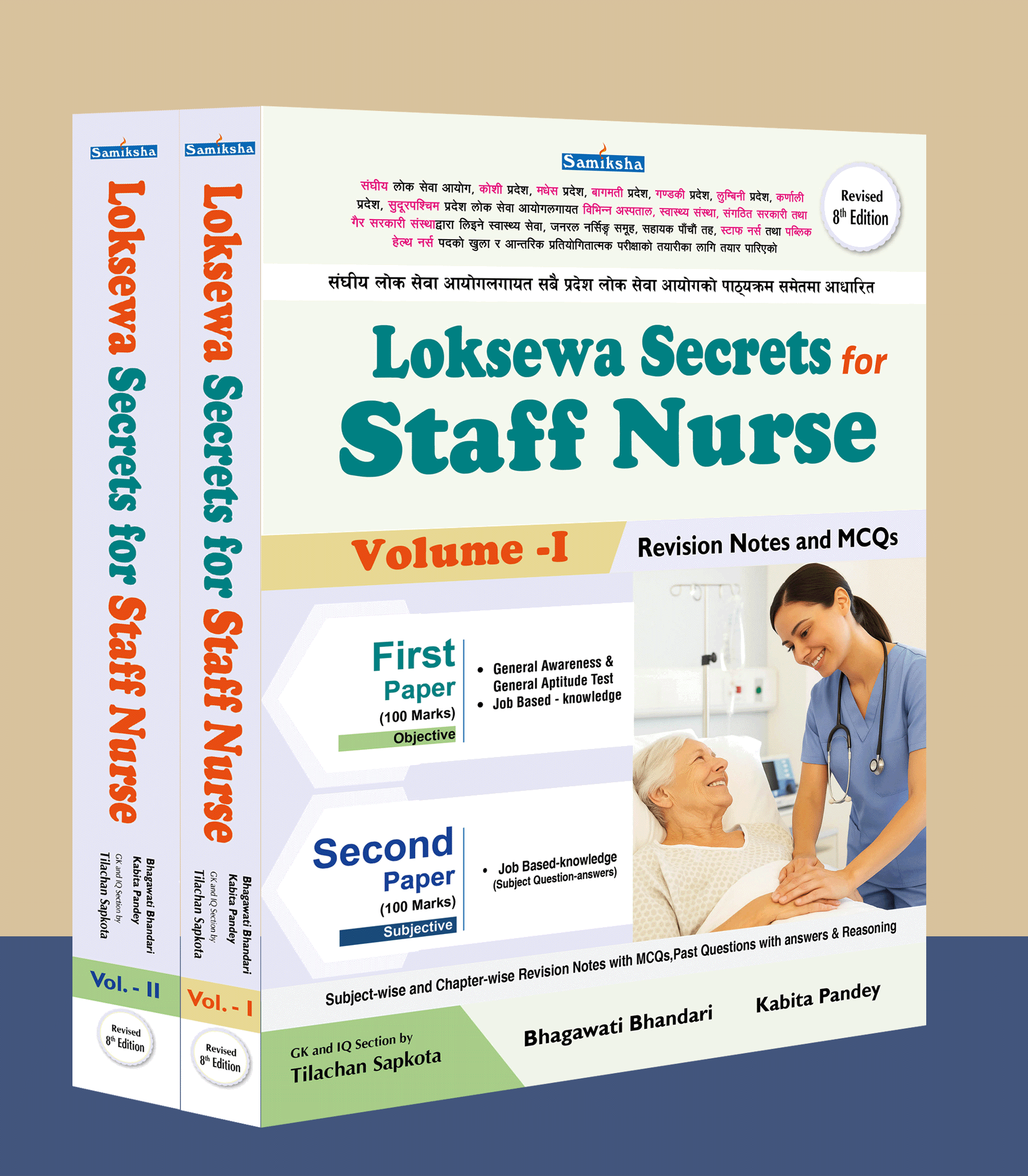
Loksewa Secrets for Staff Nurse
Nrs. 1,835Nrs. 2,295
20% OFF
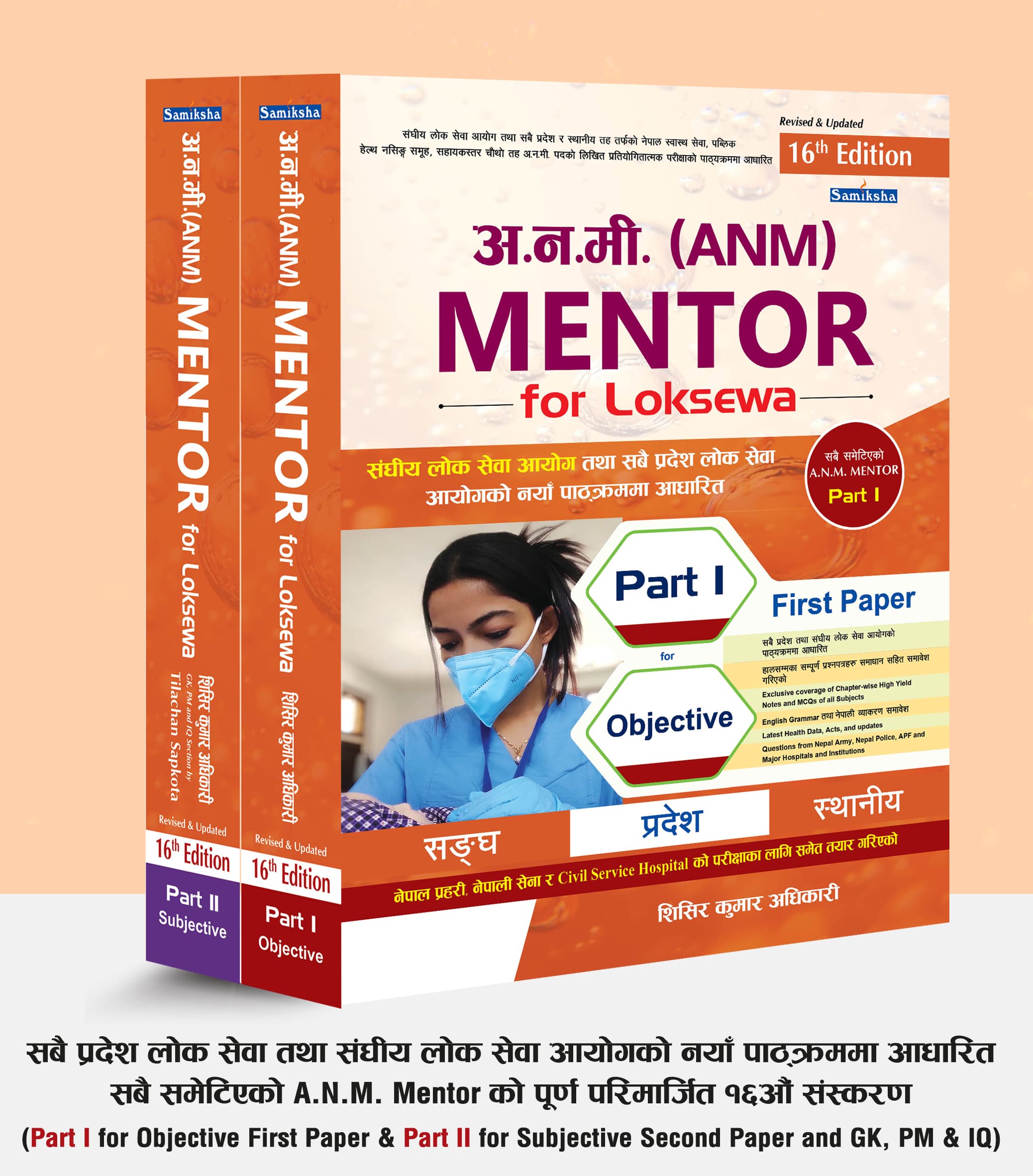
ANM Mentor For Loksewa (Part I & II Combined)
Nrs. 2,000Nrs. 2,500
23% OFF
Essential Orthopaedics-Maheshwari
Nrs. 980Nrs. 1,272
25% OFF
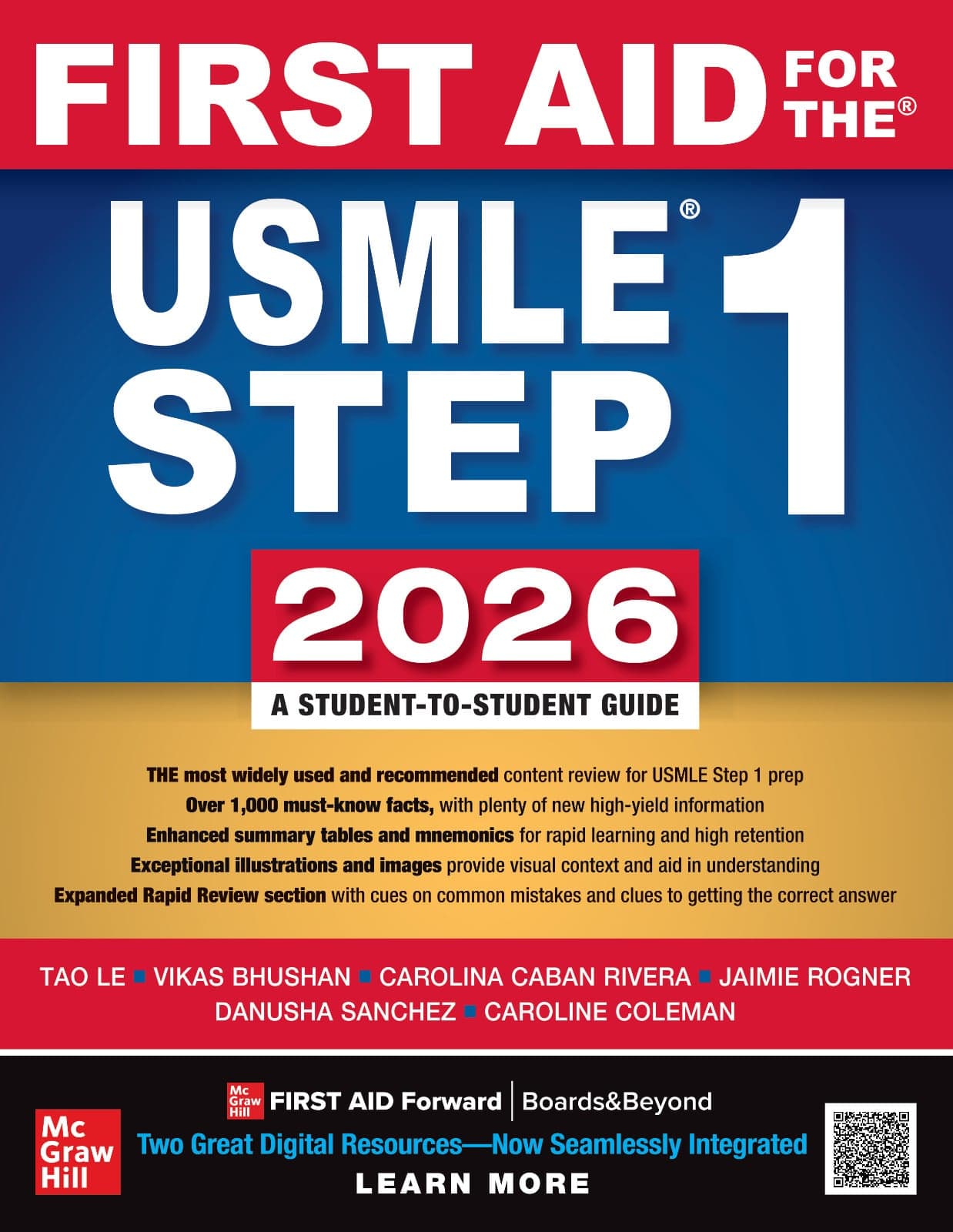
First Aid for the USMLE Step 1, 2026 - 25% Off (Valid until March 7 for Online Orders Only)
Nrs. 3,475Nrs. 4,632
23% OFF
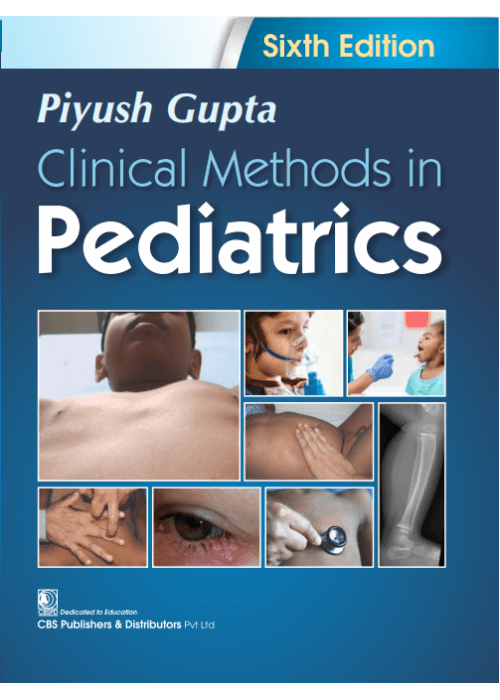
CLINICAL METHODS IN PEDIATRICS piyush gupta
Nrs. 1,350Nrs. 1,752
20% OFF
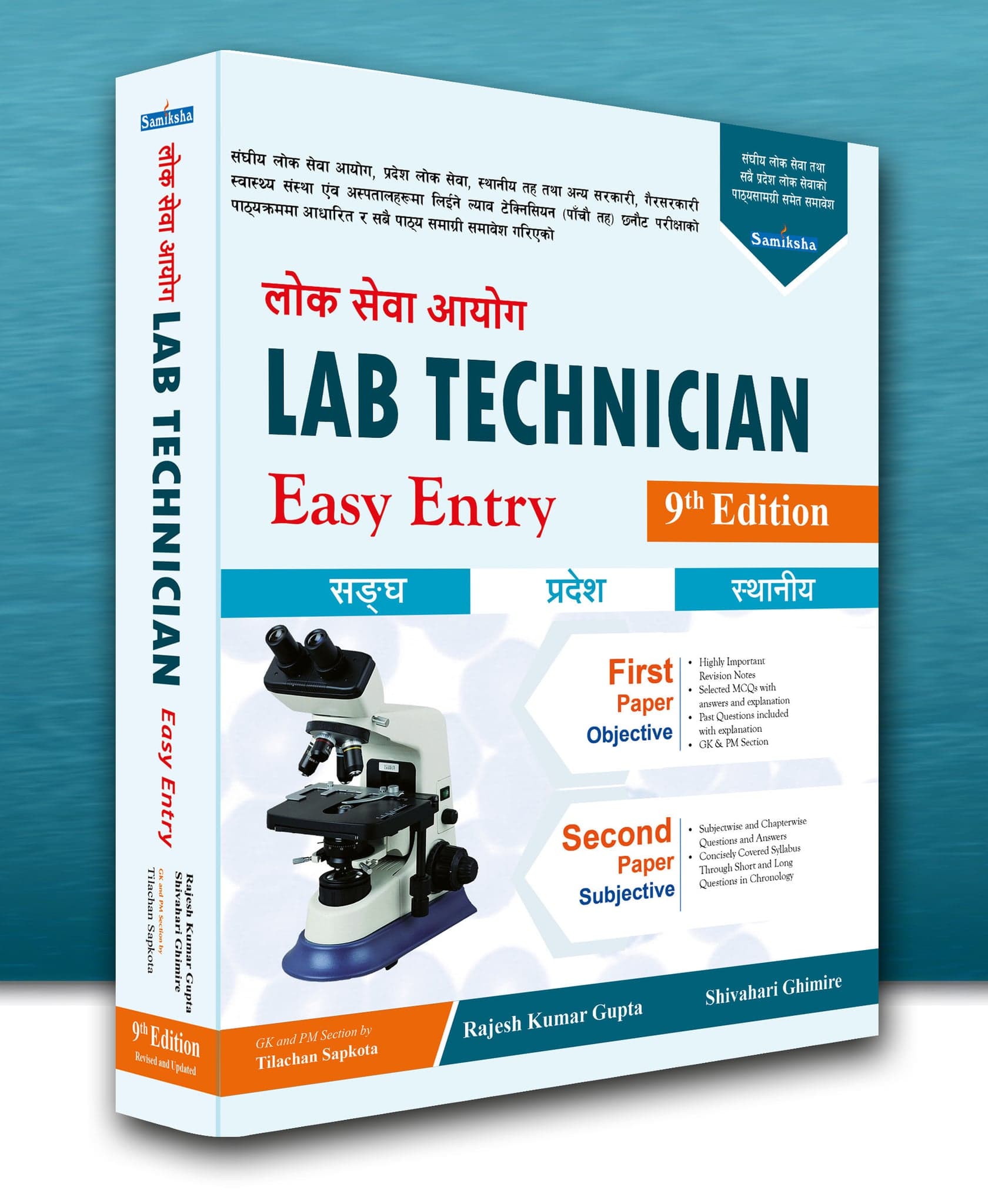
Loksewa Lab Technician Easy Entry
Nrs. 1,195Nrs. 1,495
20% OFF
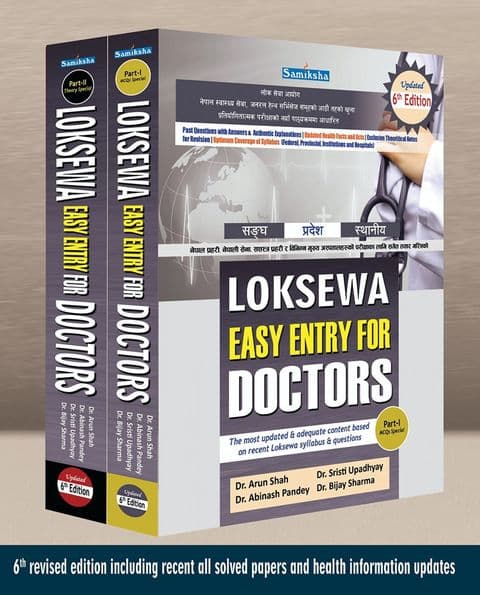
Loksewa Easy Entry For Doctors
Nrs. 2,315Nrs. 2,895
25% OFF
Fast Track Basic Science Vol.II( 3 Parts Set) -25% Off ( Valid until March 7 for Online Orders only)
Nrs. 2,095Nrs. 2,795
25% OFF
First Aid for the USMLE Step 1, 2026 - 25% Off (Valid until March 7 for Online Orders Only)
Nrs. 3,475Nrs. 4,632

20% OFF
Student's Objective Biology for CEE
Nrs. 1,755Nrs. 2,195
20% OFF
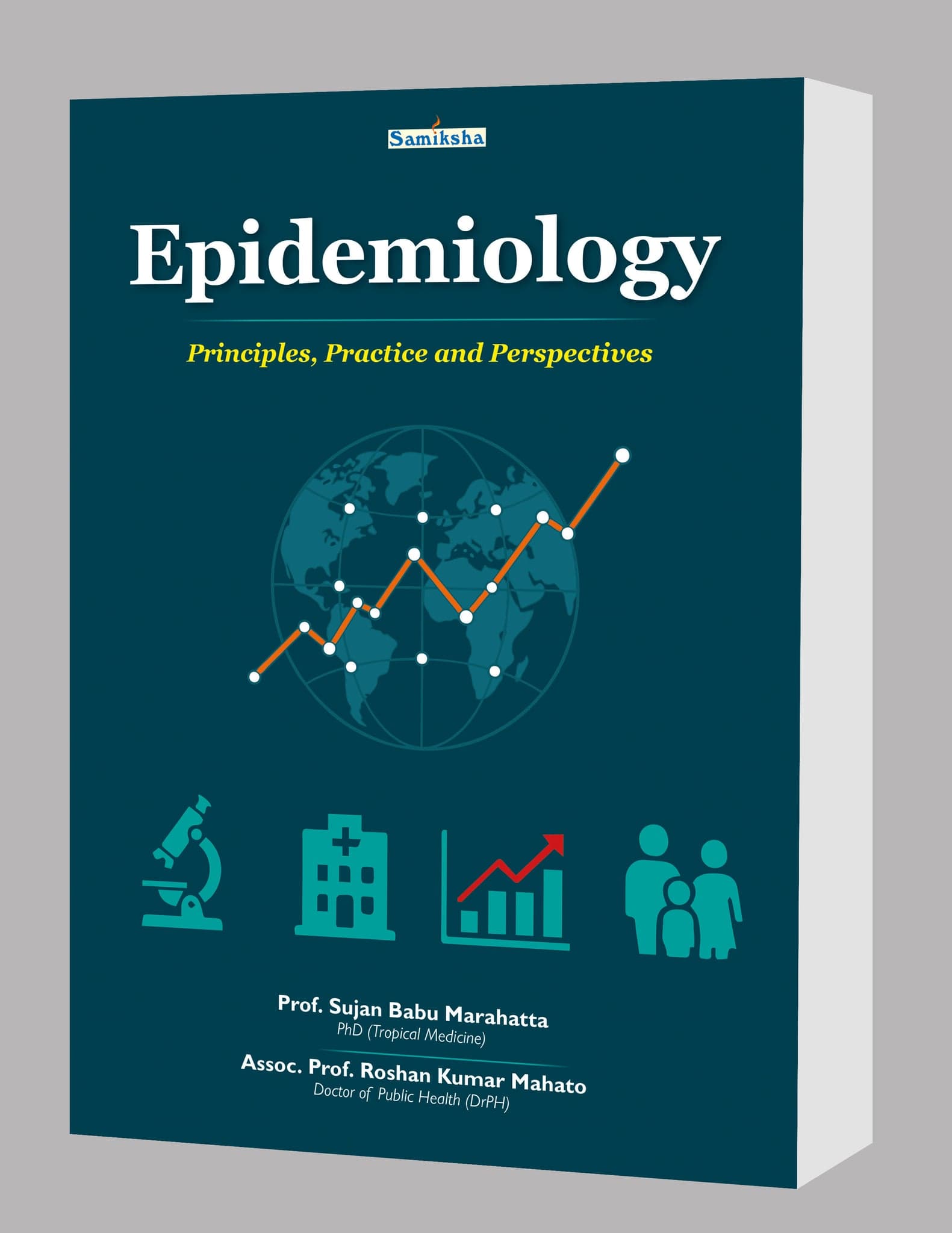
Epidemiology: Principles, Practice and Perspectives
Nrs. 1,540Nrs. 1,925
20% OFF
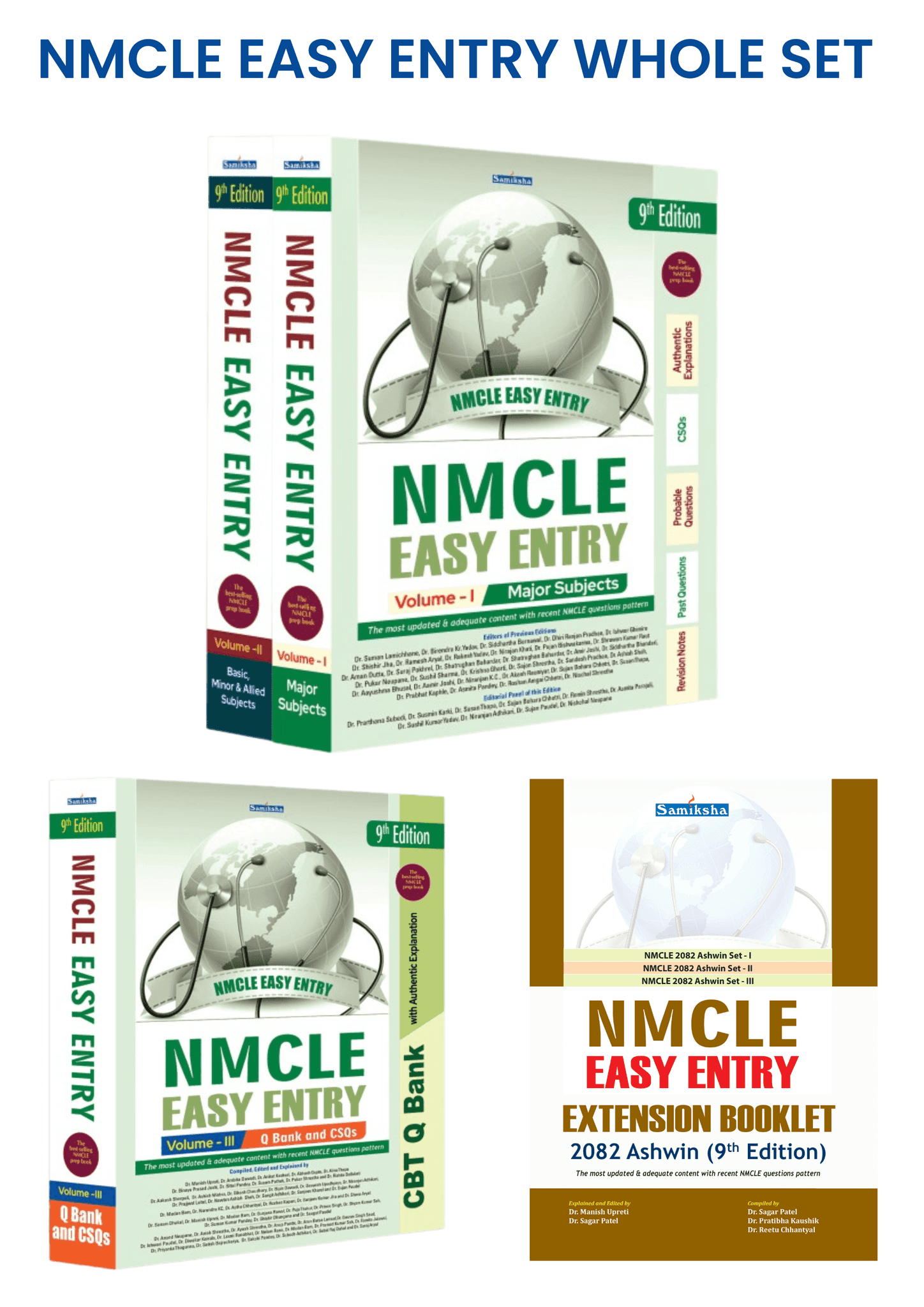
NMCLE Easy Entry (Whole Set)
Nrs. 3,990Nrs. 4,990
Unlock your complete learning medical hub
Get access to expertly curated flashcards, clinical guidelines , drug monographs, syllabus, special coupons and discounts, all in one subscription.
Medical Guidelines
Flashcards
Drug monograph
Syllabus
Special Coupons & Discounts

A Textbook of Radiographic Photography for B.Sc. MIT
Nrs. 550
A Textbook of Radiographic Equipment for B.Sc. MIT
Nrs. 550
23% OFF
Kharbanda's Orthodontics
Nrs. 8,010Nrs. 10,400
25% OFF
Fast Track Basic Science Vol.II( 3 Parts Set) -25% Off ( Valid until March 7 for Online Orders only)
Nrs. 2,095Nrs. 2,795
15% OFF
Clinical Guide to Diode Laser in Dentistry
Nrs. 1,490Nrs. 1,752


Shop by Tags
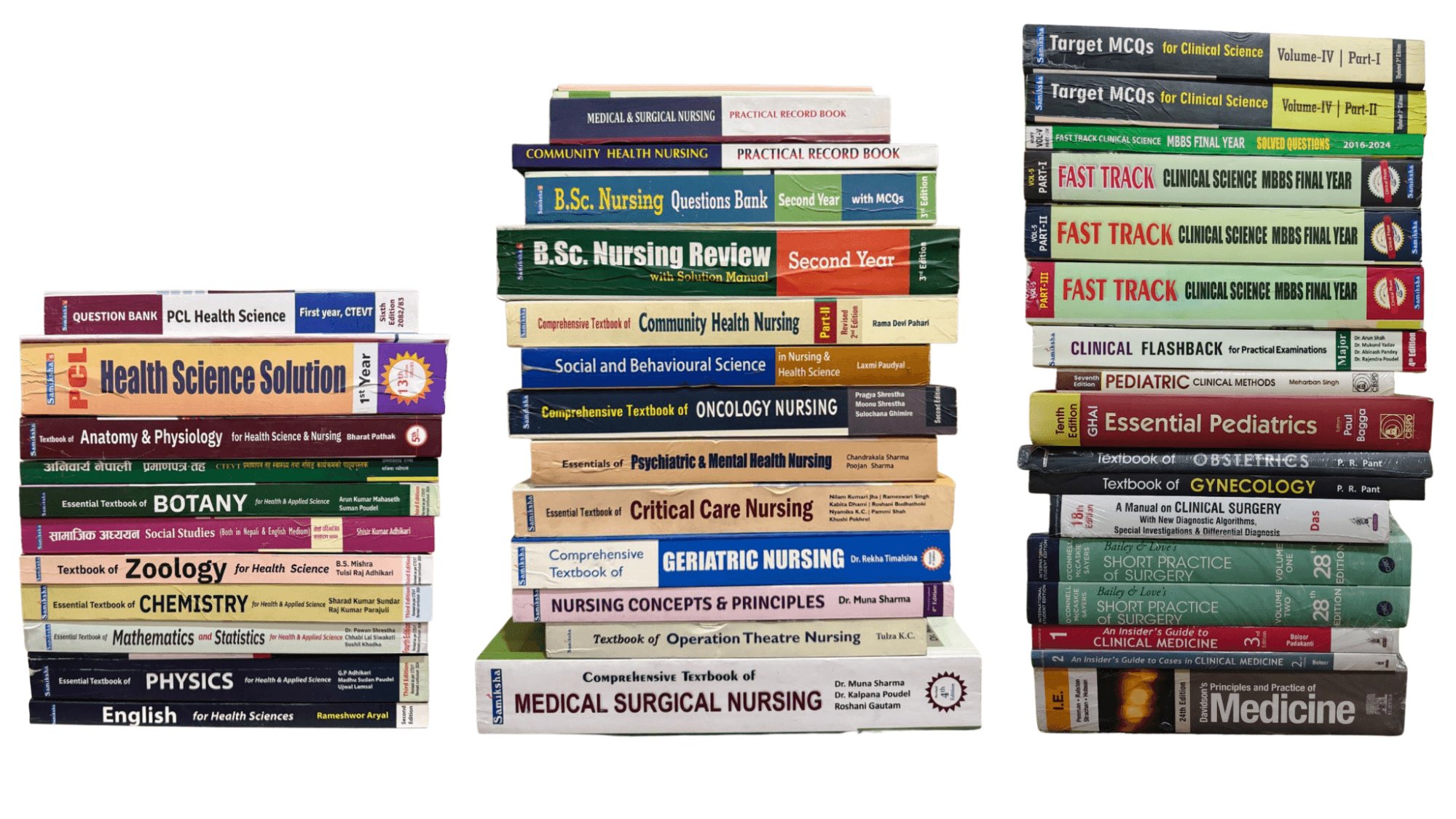

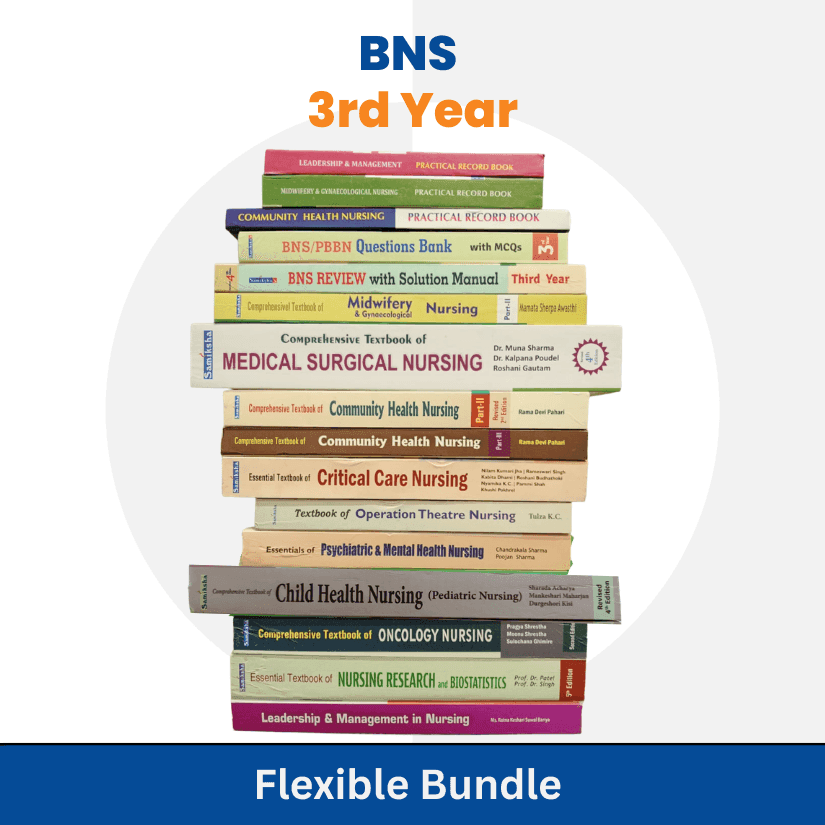
Nrs. 500 OFFStandardFlexible
BNS/PBBN 3rd Year Book Bundle
Nrs. 9,570Nrs. 10,070

Nrs. 305 OFFStandardFlexible
MBBS Others 1st Year (Basic Science)- Set 1
Nrs. 31,795Nrs. 32,100

Nrs. 200 OFFStandardFlexible
MBBS TU 1st Year (Basic Science)- Set 2
Nrs. 27,865Nrs. 28,065

Nrs. 300 OFFStandardFlexible
MBBS Others 1st Year (Basic Science)- Set 2
Nrs. 29,130Nrs. 29,430

Nrs. 200 OFFStandardFlexible
MBBS TU 1st Year (Basic Science)- Set 1
Nrs. 29,600Nrs. 29,800



Roshna Bhuju31 December, 2025
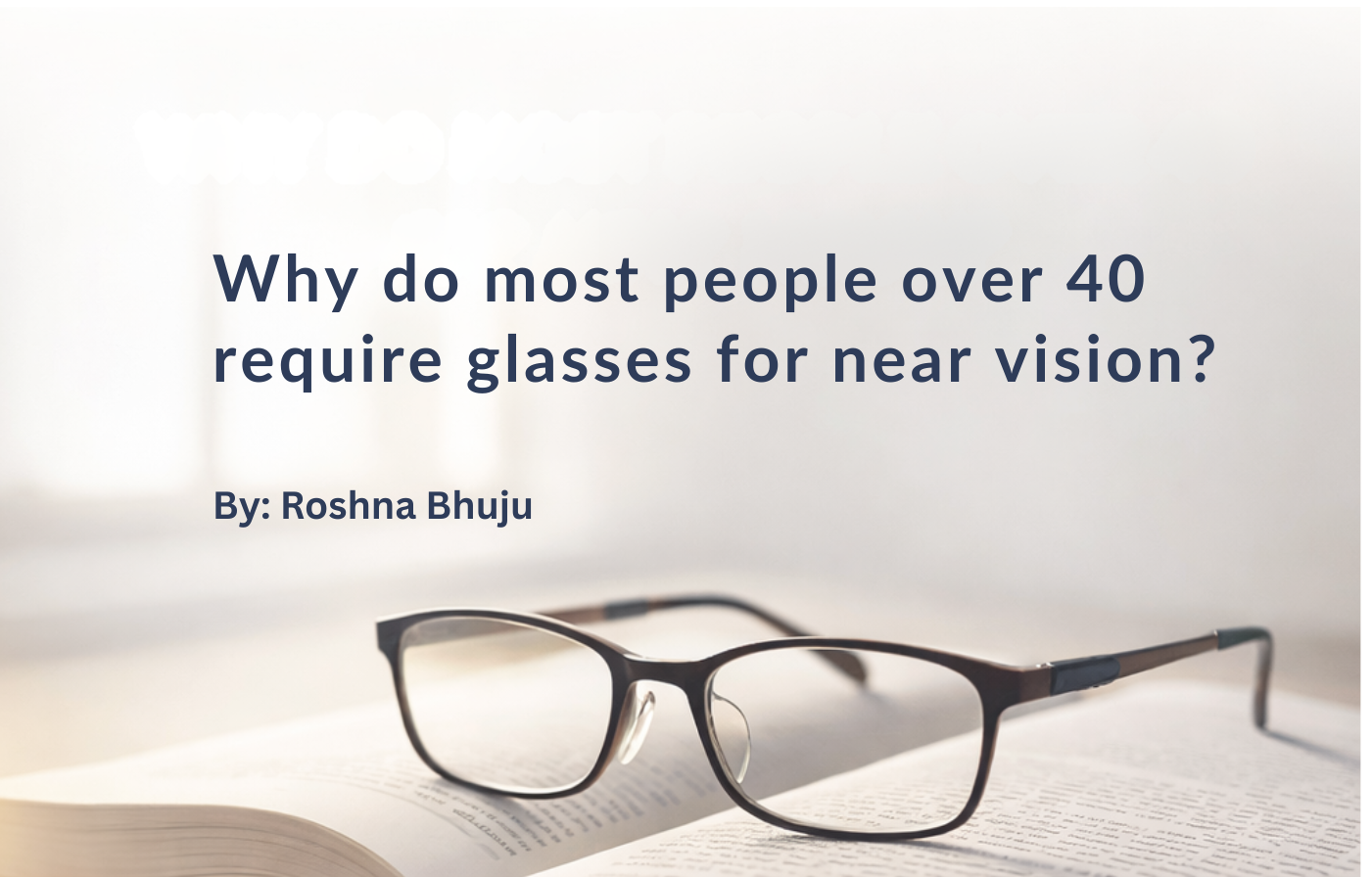
Why do most people over 40 require glasses for near vision?
After 40, eyes naturally lose the ability to focus sharply on nearby objects, a condition called presbyopia. Presbyopia refers as the gradual decline of eye ability to accommodate for near vision as a part of the natural aging process. The eye's natural crystalline lens, which focuses light on the retina, loses flexibility with age. This stiffening blurs nearby objects like books or phone screens. Presbyopia often begins around age 40, gradually worsens until about 65, then levels off. Historically, presbyopia has been recognized for centuries, with early mentions dating back to ancient Greece. Presbyopia" derives from Greek "presbys" (old man) and "ops" (eye). Though unavoidable, symptoms ease with options like glasses, contacts, or surgery to sharpen close vision.
Signs and symptoms are:
- Difficulty focusing on close object
- Eye strain Headache
- Blurry vision
- Difficulty reading small print
- Needing to hold reading material father away
- Double vision
- Fatigue
Types of presbyopia
There are five types of presbyopia:
- Incipient presbyopia. It's the first sign when fine text starts feeling tricky or fuzzy .
- Functional presbyopia. This happens when near vision problems become more obvious.
- Absolute presbyopia. With this stage, close-up objects are completely out of focus for the eyes (due to farsightedness).
- Premature presbyopia. This describes premature presbyopia, when the condition hits before age 40.
- Nocturnal presbyopia. This stage makes focusing on nearby objects especially tough in dim light.
Presbyopia treatment
Glasses
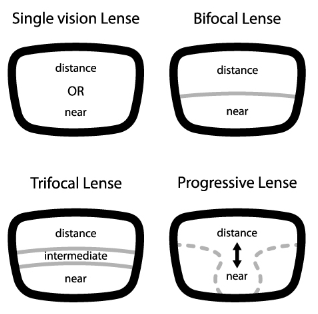
- Presbyopia can be corrected by wearing bifocal, trifocal, multifocal or progressive glass for near work out.
- Bifocals are those lenses that consist of near and distance power.
- Trifocals are those lenses that consist of near intermediate and distance vision power.
- Progressive lenses gradually change their magnification from top to bottom. Also known as multifocal lenses.
Contact lenses

- For those who already wearing contact lenses, are often add reading glasses on top to handle presbyopia.
- Contact lens options are Monovision, Modified monovision, Bifocal or Multifocal and Non-refractive bifocal contact lens.
- Monovision contact lens to correct one for near and one eye for far with a method.
- Modified monovision contact lens is to correct for either near or far vision in one eye and other eye has a multifocal lens.
- Multifocal contact lens to correct vision for both near and far from one lens.
Surgery
Various surgical options now address presbyopia. Some rely on monovision, tuning one eye for near vision and the other for clear distance sight.
1. Kamra® corneal inlay
- The Kamra® corneal inlay was approved by the US FDA in 2015.
- It's a thin, dark implant with a tiny center hole. Surgeons slip it into the cornea over the pupil for a pinhole boost—like peeking through paper—that fixes near sight but keeps far vision clear. The inlay typically is implanted in the non-dominant eye.
2. Laser eye surgery
- Monovision LASIK (Laser-Assisted In situ Keratomileusis) and PRK (Photo- Refractive Keratectomy) reshape the cornea by removing a bit of tissue to cut reading glasses need. They target just one eye.
3. Monovision conductive keratoplasty (CK)
- CK applies mild radiofrequency energy to tighten corneal edge fibers, steepening the curve for better near focus. Like monovision laser surgery, it corrects one eye for close vision and leaves the other for distance.
4. Refractive lens exchange (RLE)
- RLE removes and replaces the eye's natural lens with an artificial one, much like cataract surgery, often using a multifocal type though options vary. It reduces reading glasses need with clear distance vision, especially helpful for age-related long sight turning into cataracts.
Dealing With Presbyopia: As Presbyopia is The Part Indication of Growing Older
- Get a pair of reading glasses.
- Optimize workspace with better light and ergonomic setup to cut down eyestrain.
- Take a break from close work like reading, excessive phone used.
- Maintaining a healthy lifestyle with balanced diet, regular exercise and adequate hydration supports overall eye health.
- Eye checkup if any discomfort or change in vision is noticed.
Conclusion
Presbyopia is a widespread age-related issue that impairs the eye's focus on close objects, usually starting after 40 as a normal aging effect. It makes it difficult to see near objectives like reading
or near work activities. It can't be reversed, but corrective lenses, contact lens or surgery manage it well.
Reference
1. Presbyopia | AOA
2. Presbyopia - Wikipedia
3. Presbyopia: How Aging Affects Your Vision
4. Singh P, Zeppieri M, Tripathy K. Presbyopia. 2025 Jun 2. In: StatPearls [Internet]. Treasure Island (FL): StatPearls Publishing; 2025 Jan–. PMID: 32809403.
5. Presbyopia: Understanding Symptoms and Treatment Options - The Kingsley Clinic
About the Author
Roshna Bhuju completed her Bachelor of Optometry from Pokhara University in 2025. She is passionate about raising awareness about various ocular health issues and its possible solution.
#Ophthalmology
Read More


Sankalpa Gautam31 December, 2025
Beyond ‘Ke Sochla Samaj?’: Nepal’s Slow but Strong Mental Health Revolution
Not long ago, the term mental health barely existed in people’s vocabulary. I remember mental health being whispered about and how people denied its importance altogether.
When someone felt overwhelmed, anxious, or low, society labeled it as weakness and dismissed it as "all in the head".
However, I am proud to see that today the narrative is shifting and people are slowly bringing the topic into the spotlight. The world of media encourages conversations about struggles, therapy, burnout and self‑care. By choosing relatable media such as memes, reels and digital content, the younger generation has turned mental health into an unavoidable conversation.. But the big question remains, “Is it enough?”
According to the World Health Organization (WHO), “Mental health is a state of well-being in which an individual realizes his or her own abilities, can cope with the normal stresses of life, can work productively and is able to make a contribution to his or her community.” However, people often fail to realize that the absence of a disorder does not guarantee mental wellness.
I believe that mental health goes beyond the presence or absence of illness as it includes a person’s psychological and social well‑being, which affects how we think, feel and interact with the world.
In a developing country like Nepal, where the load of non-communicable and communicable illnesses is already heavy, the mental health of people often stays on the sidelines. But within a short span, people have started to see mental health as a real part of overall health, which I consider a partial success. But recognizing and acting on mental health are not the same. Not all households are same, and homes still exist where talking about well-being brings looks and frowns worry and young people try to open up to the families are met with: "Samaj le ke sochla?" – what will the society think?
The truth is that the world moves forward whether society approves or not. Mental health has come a long way, from being a word continuously stigmatized by society to being talked about openly, it’s evident that the walls built by generations are cracking slowly.
The movement has begun and voices are growing louder. Gen-Z has started the conversation, and now it’s up to all of us to keep it going as believe it or not, breaking a taboo doesn’t happen in one day, it happens one honest conversation at a time.’
About the author
Sankalpa Gautam is a 2nd year MBBS student currently studying at Kathmandu University School of Medical Sciences. He has interests in topics regarding mental health and through this article, he hopes to share his perspective and contribute meaningfully to ongoing discussions around mental well-being.
#Mental Health
Read More


Komal Singh30 December, 2025
Human Resource Management: A Peak Need of Healthcare Industry
Introduction
Today, the rapidly progressing healthcare sectors including hospitals and healthcare organizations are facing numerous challenges and complications in delivery of safe, efficient, patient-centered and quality services. In this technologically advanced world, technologies, infrastructures, and medical equipment are essential, but the major backbone of healthcare is its human resource. Every service from emergency care to diagnostics, nursing, pharmacy and administration-relies on workforce. Human Resource Management (HRM) has therefore become a peak need in healthcare, ensuring that the right professionals with the right skills are placed at the right time to provide the best possible care.

Why HRM matters more in healthcare than any other sector?
1. Healthcare Industry Runs on Skilled Human Power
Healthcare organizations require a diverse team of skilled professionals: doctors, nurses, paramedics, managers, biomedical engineers, lab personnel, pharmacists and support staffs. HRM ensures proper workforce planning, scientific recruitment, deployment and retention in order to maintain uninterrupted and high-quality service delivery.
2. Supporting Employee Motivation and Retention
The healthcare environment can be highly stressful. Long working hours, emotional fatigue, and limited career growth often lead to burnout and turnover. Effective HRM improves retention by offering recognition and reward systems, providing mental health and well-being programs, creating supportive leadership and mentorship opportunities and ensuring fair scheduling and workload distribution. Motivated employees create a positive patient experience.
3. Professional Development and Training
HRM creates and administers programs to keep staff updated on the latest medical practices, technologies, and regulatory requirements. HRM also contributes to quality by promoting effective communication and teamwork. Well managed human resources lead to fewer medical errors, improved patient outcomes, and higher satisfaction.
4. Strengthening Organization Culture and Ethics
Healthcare is a sensitive field where confidentiality, ethics, and thrust matters deeply. HRM shapes a positive institutional culture by establishing clear codes of conduct, ensuring patient-centered service attitude, promoting diversity, equity, inclusion and also by managing conflicts ethically and fairly. A strong culture enhances both patient trust and employee satisfaction.
5. Adapting to Modern Challenges Require Strong HRM
The health care sector is constantly evolving due to digitalization, pandemics, aging populations, and new treatment technologies. HRM helps healthcare organizations stay prepared by planning future workforce needs, integrating e-learning and digital skills training, encouraging leadership development and managing change effectively. Without robust HR management, health systems struggle to adapt to these rapid changes.

Challenges of HRM in the Healthcare Industry
1. Shortage of skilled healthcare professionals
2. High employee turnover
3. Employee burnout and stress
4. Managing multidisciplinary workforce
5. Training and continuous development
6. Maintaining patient-centered culture
7. Conflict management and workplace violence
Conclusion
Human resources play an indispensable role in delivering quality healthcare. From recruitment and training to managing performance and fostering teamwork, HRM ensures that healthcare institutions run smoothly and patients receive the best possible treatment. Human resource management is no longer a back office function- it has become a strategic pillar of healthcare industry.
References:
Owolabi, Oluwaseyi Rita, Funmilola Olatundun Olatoye, Oluwafunmi Adijat Elufioye, and Beatrice Okunade. Human Resources Management in Healthcare: Recruitment, Retention, and Workforce Development—A Review. World Journal of Advanced Research and Reviews, 2024, 21(02), 950–957.
Hampel, Katarzyna, and Zuzana Hajduova. Human Resource Management as an Area of Change in a Healthcare Institution.
Wong, Brittany. Top 8 Challenges of Human Resource Management in Healthcare.
About the author:
KOMAL SINGH MHCM student with a strong interest in healthcare management, quality improvement and health sector development.
#Healthcare Management
Read More