
 Need help? Call us: 01-5330184, 01-5344456, 9841611771


Messenger
Send us a message and we'll respond as soon as possible!
Chat with us!
Exclusive Books Hub
Books for you
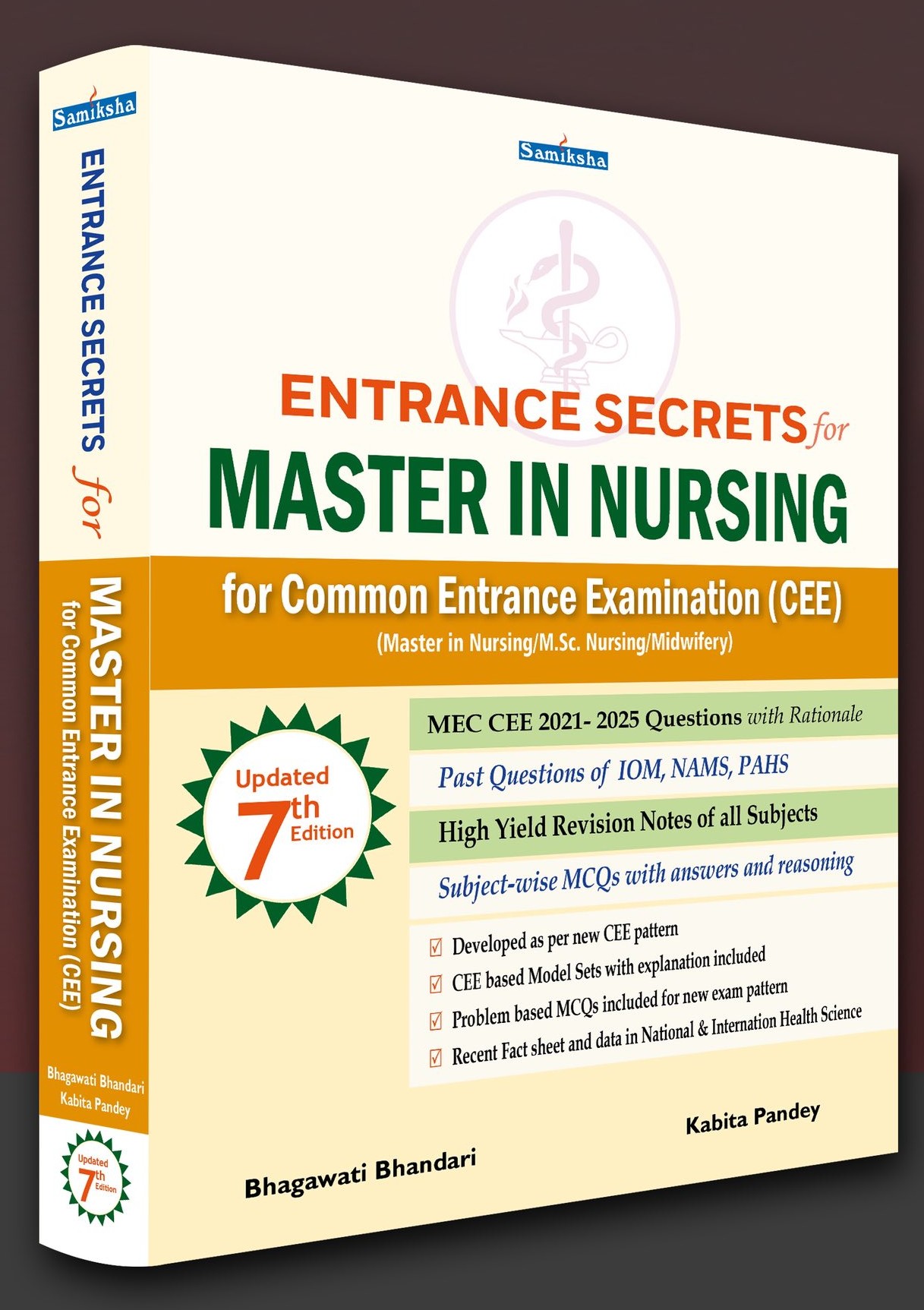
20% OFF
Entrance Secrets for Master in Nursing
Nrs. 1,435Nrs. 1,795
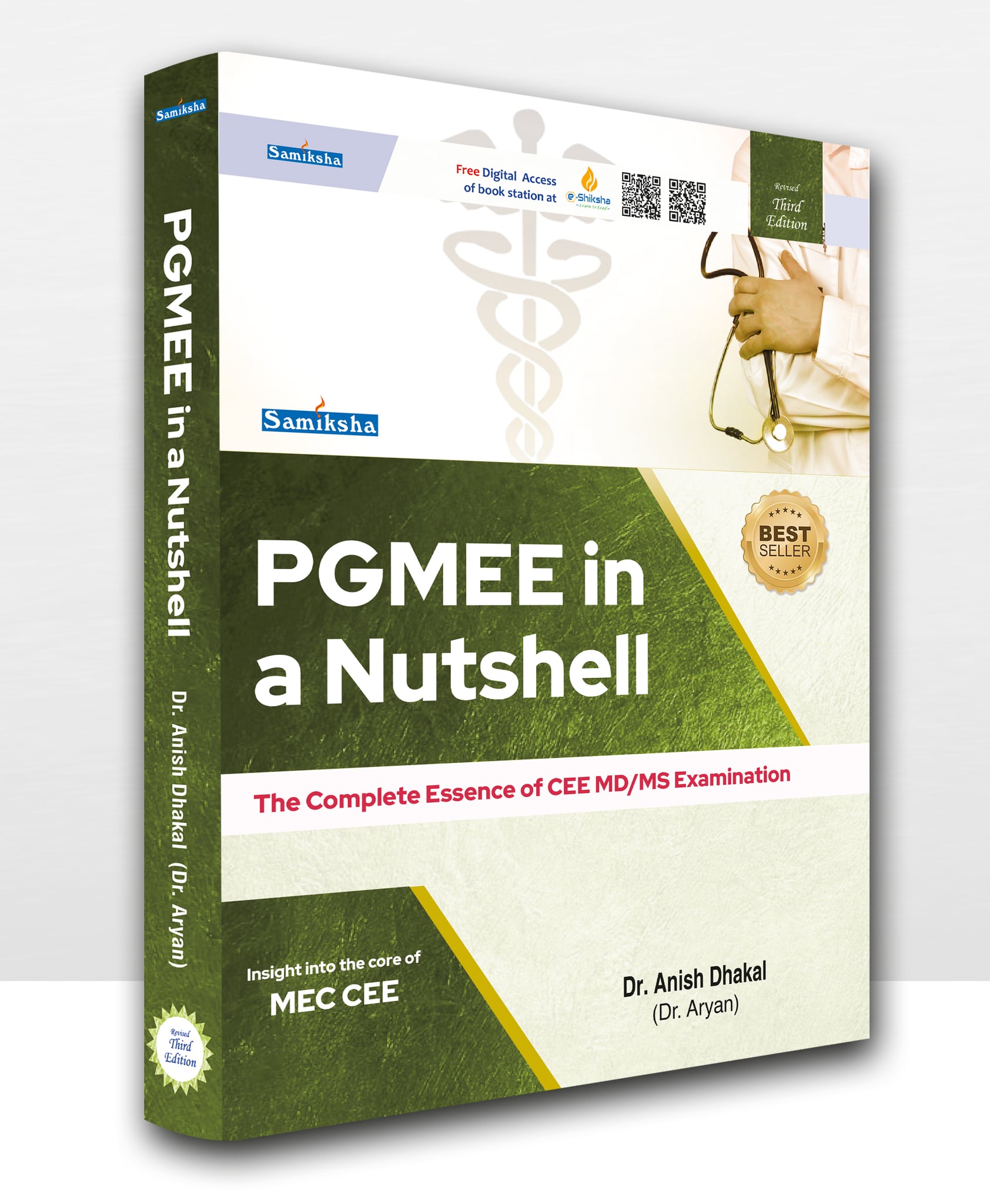
20% OFF
PGMEE in a Nutshell
Nrs. 875Nrs. 1,095
22% OFF
Morgan and Mikhail's Clinical Anesthesiology
Nrs. 7,285Nrs. 9,339
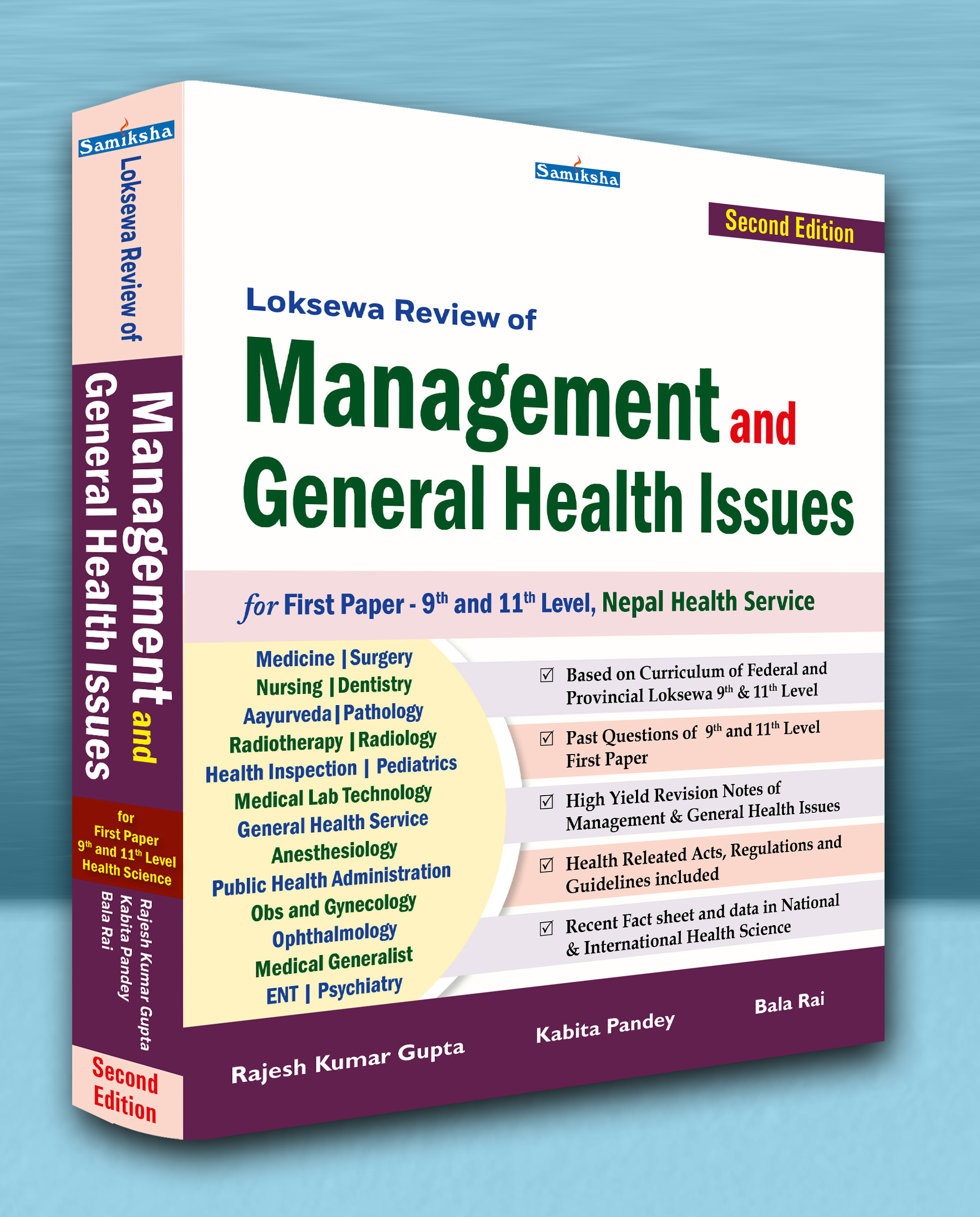
20% OFF
Loksewa Review of Management and General Health Issues for First Paper - 9th and 11th Level
Nrs. 1,195Nrs. 1,495
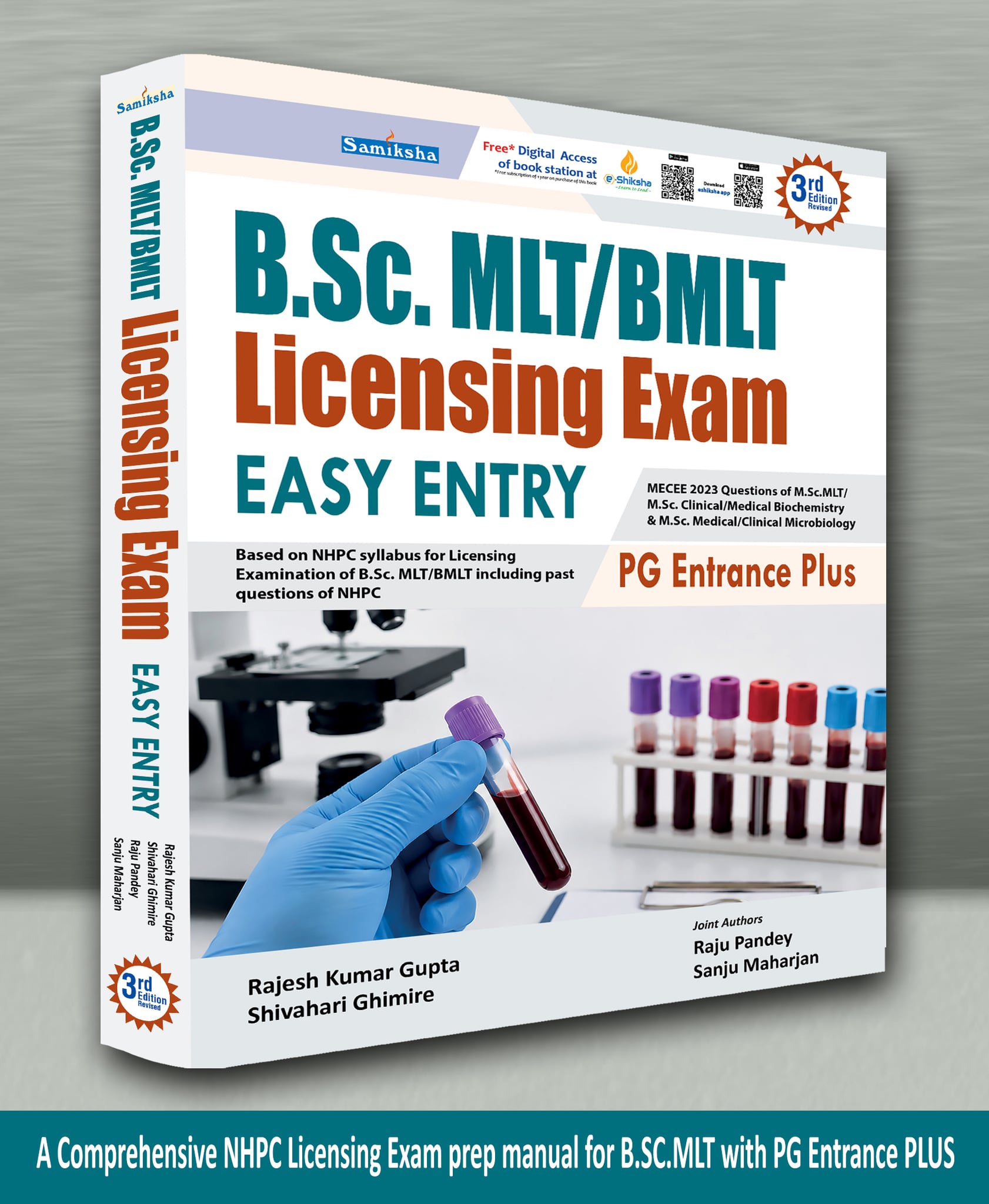
20% OFF
B.Sc. MLT/BMLT Licensing Exam Easy Entry
Nrs. 875Nrs. 1,095
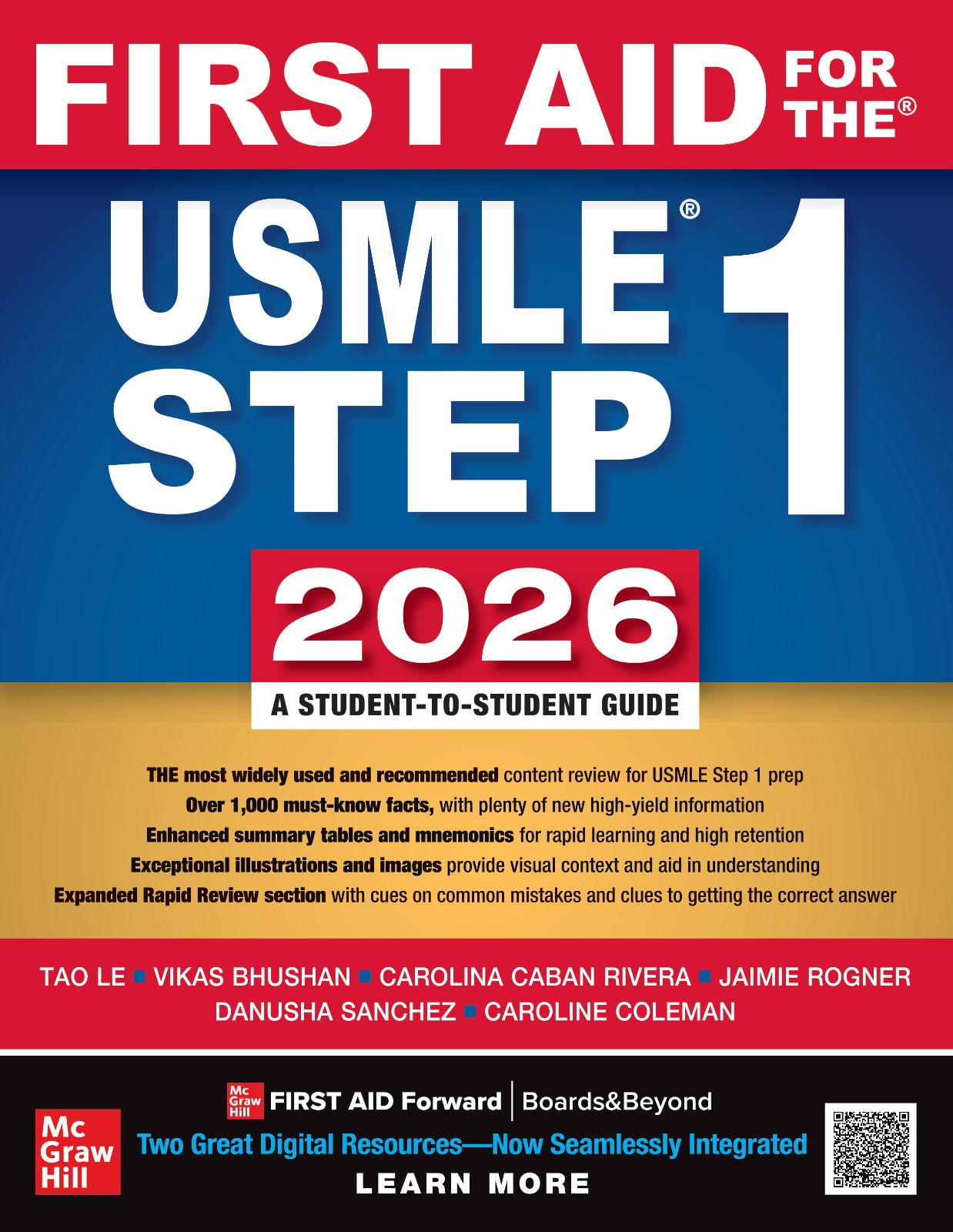
22.3% OFF
First Aid for the USMLE Step 1, 2026
Nrs. 3,600Nrs. 4,632
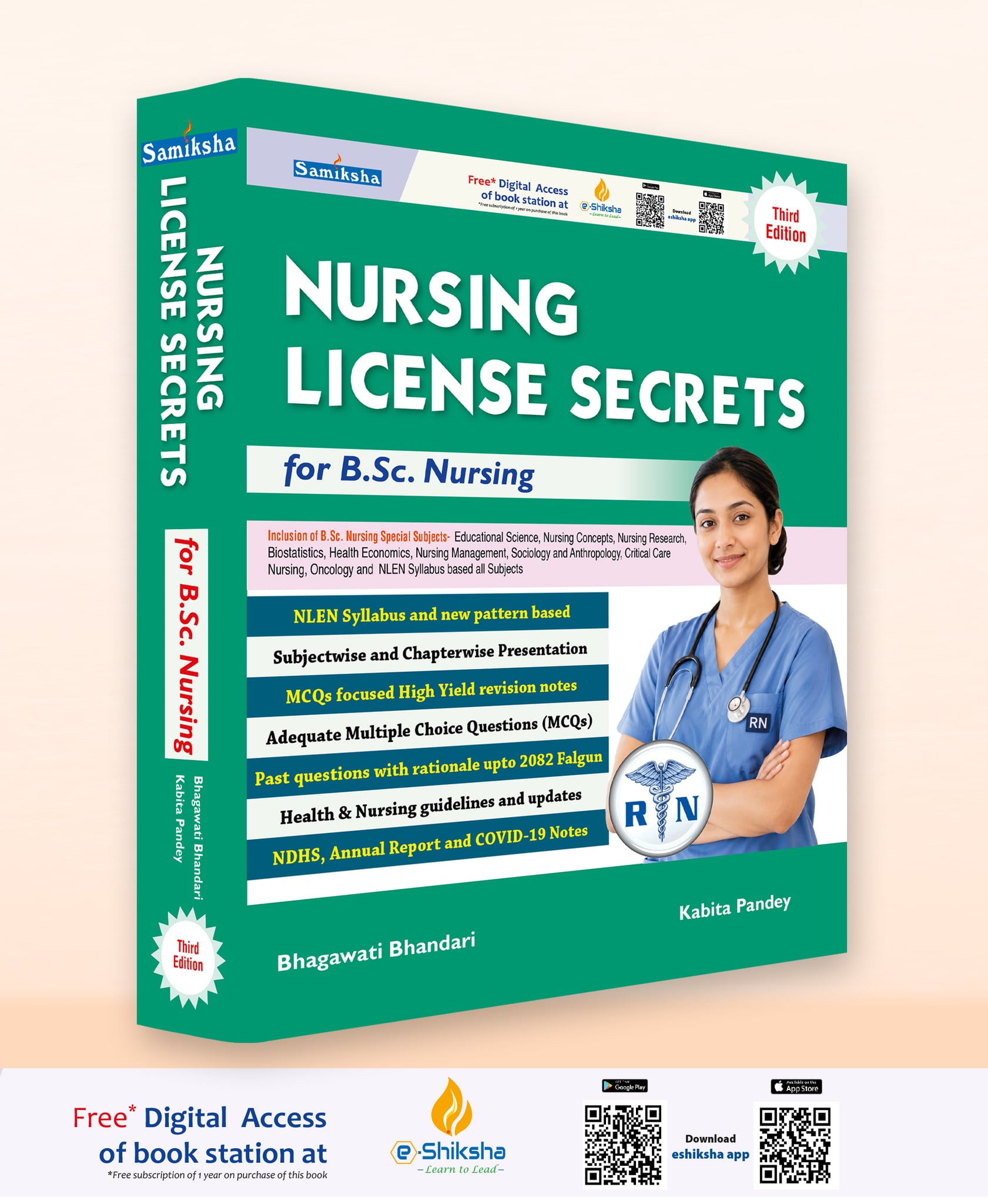
20% OFF
Nursing License Secrets for B.Sc. Nursing
Nrs. 1,355Nrs. 1,695
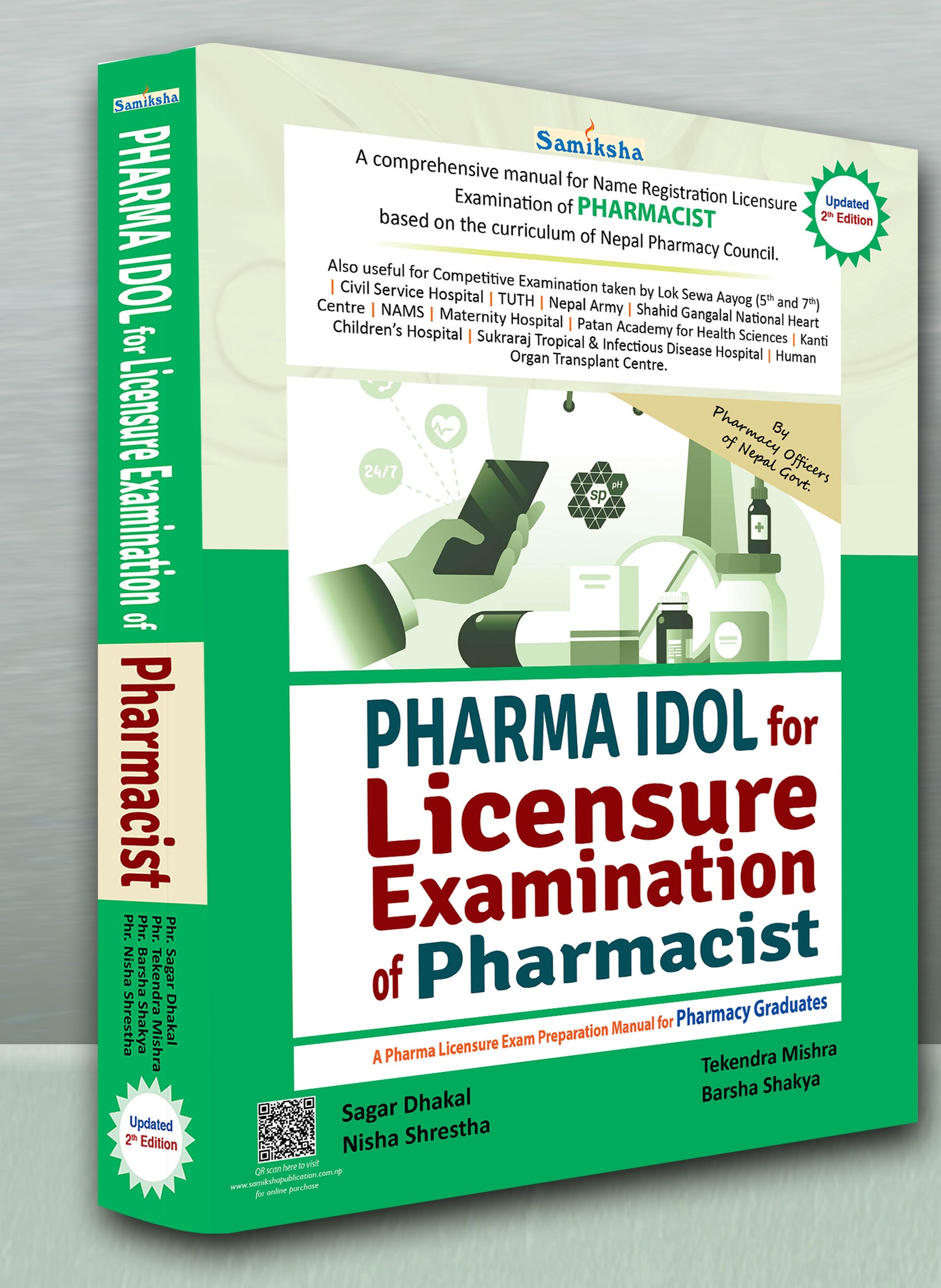
20% OFF
Pharma Idol for Licensure Examination of Pharmacist
Nrs. 1,060Nrs. 1,325
20% OFF
Loksewa Review of Management and General Health Issues for First Paper - 9th and 11th Level
Nrs. 1,195Nrs. 1,495
20% OFF
Fast Track Clinical Science TU Fourth Year MBBS (Part I-II)
Nrs. 1,355Nrs. 1,695

20% OFF
All Nepal PGMEE Easy Entry (2 Volume Set)
Nrs. 2,940Nrs. 3,675
20% OFF
Insight Solved Questions of Management and General Health Issues
Nrs. 1,140Nrs. 1,425
20% OFF
Loksewa Easy Entry for Doctors (2 Volumes Set)
Nrs. 2,460Nrs. 3,075
Unlock your complete learning medical hub
Get access to expertly curated flashcards, clinical guidelines , drug monographs, syllabus, special coupons and discounts, all in one subscription.
Medical Guidelines
Flashcards
Drug monograph
Syllabus
Special Coupons & Discounts

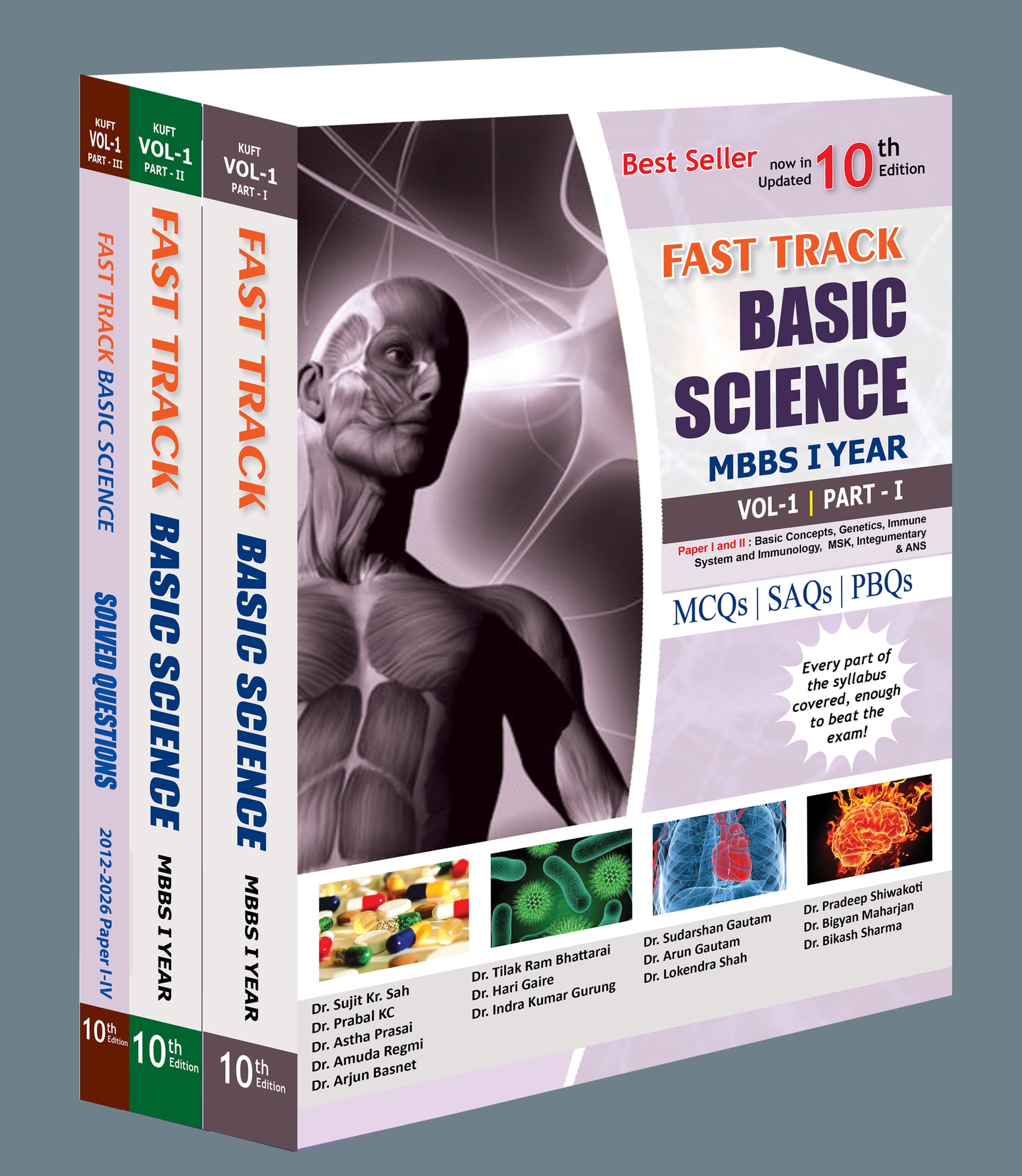
20% OFF
Fast Track Basic Science MBBS Vol. I (3-Part Set)
Nrs. 2,360Nrs. 2,950
20% OFF
PGMEE in a Nutshell
Nrs. 875Nrs. 1,095
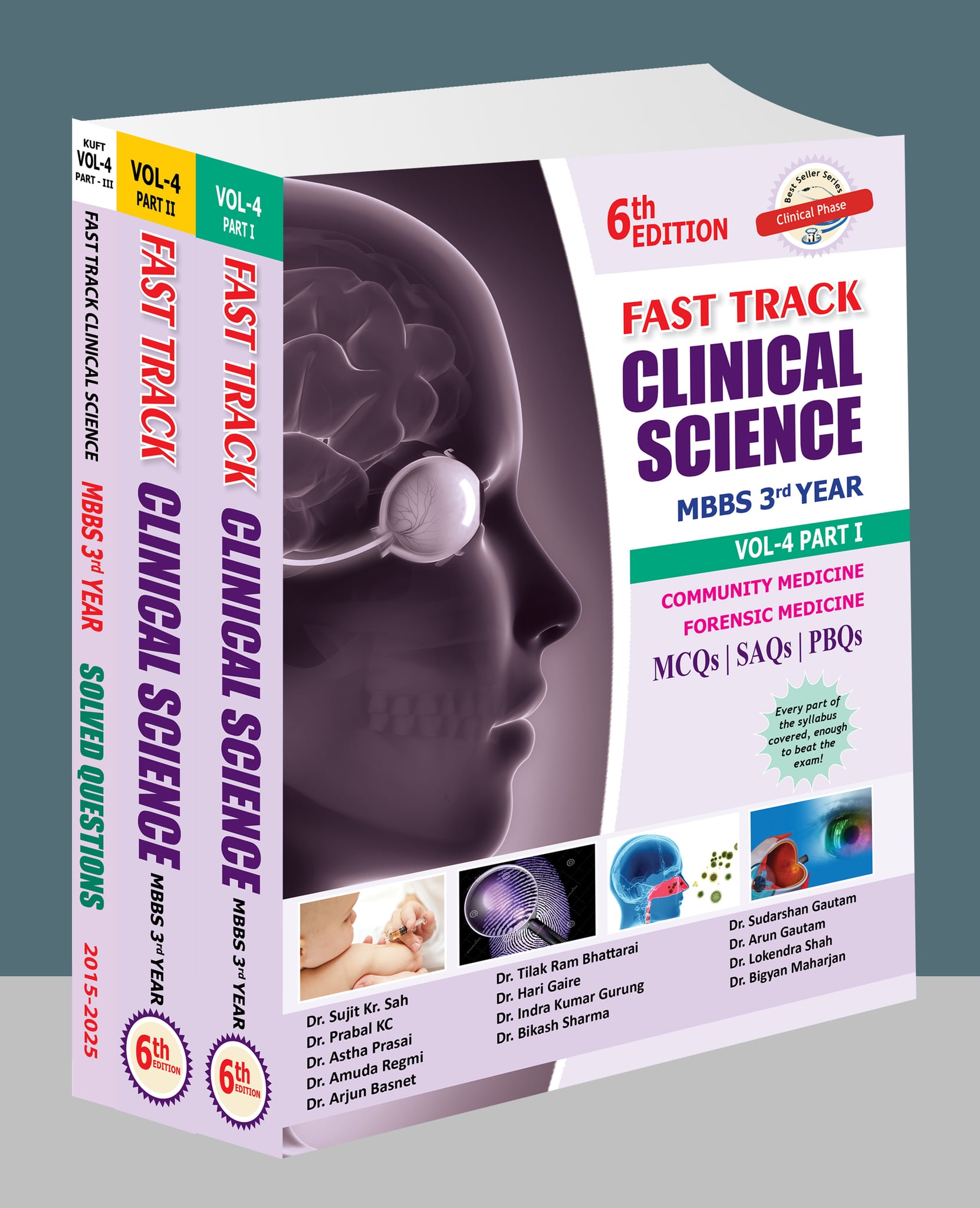
20% OFF
Fast Track Clinical Science MBBS 3rd Year Vol-4 Part I-III
Nrs. 2,475Nrs. 3,095
22.3% OFF
First Aid for the USMLE Step 1, 2026
Nrs. 3,600Nrs. 4,632
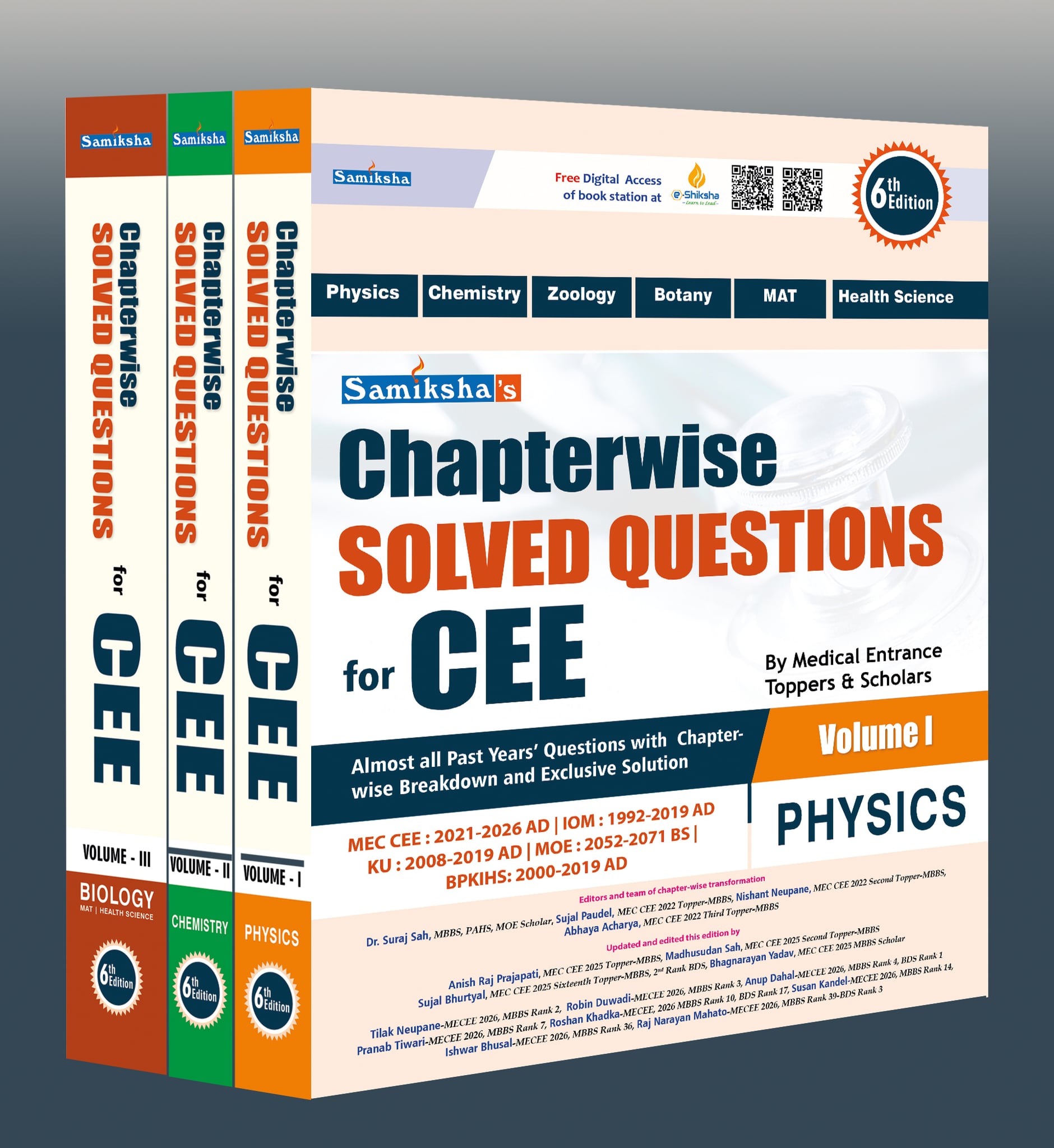
20% OFF
Chapterwise Solved Questions for CEE
Nrs. 2,680Nrs. 3,350
Shop by Tags

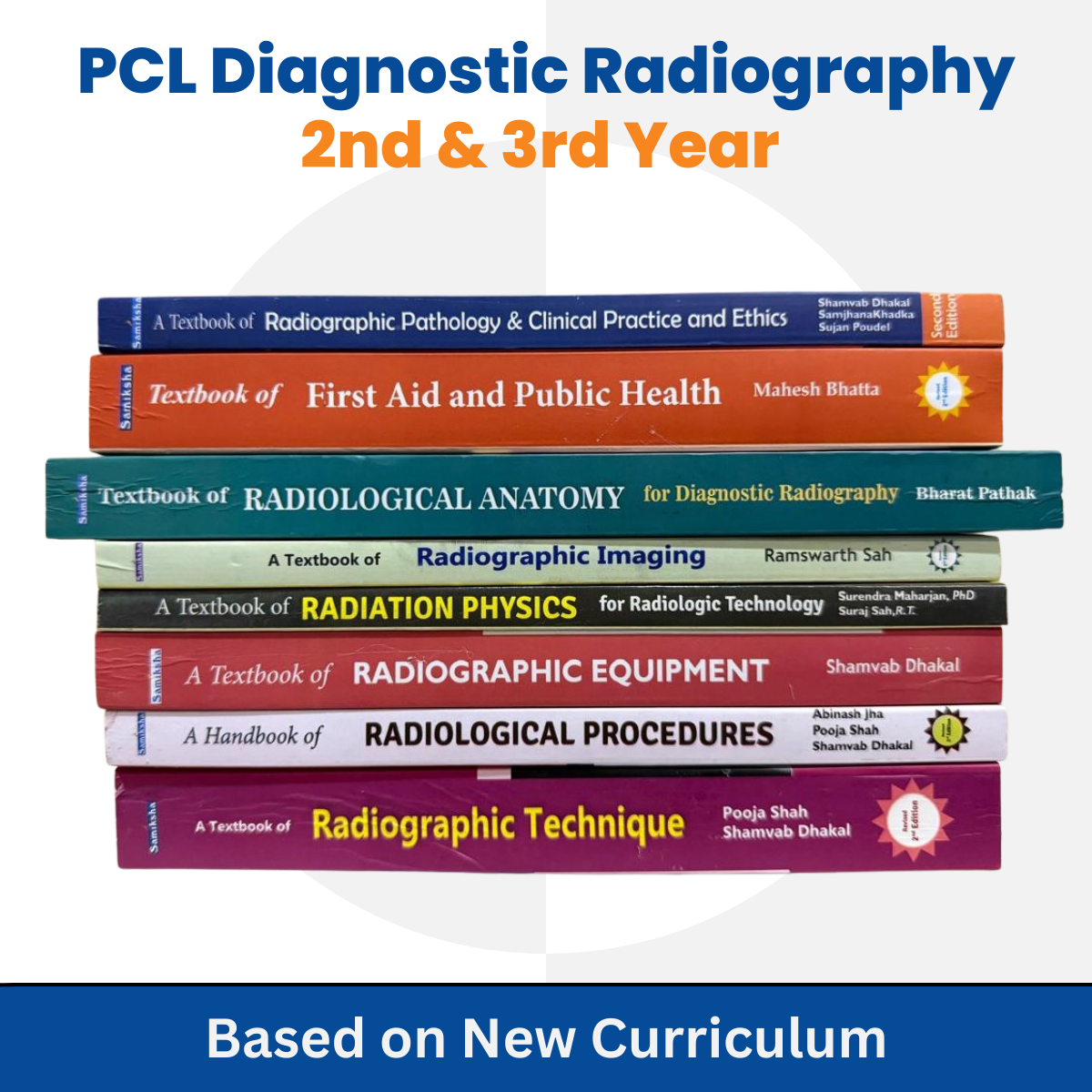
Nrs. 220 OFFStandardFlexible
PCL Diagnostic Radiography- 2nd and 3rd Year
Nrs. 4,405Nrs. 4,625
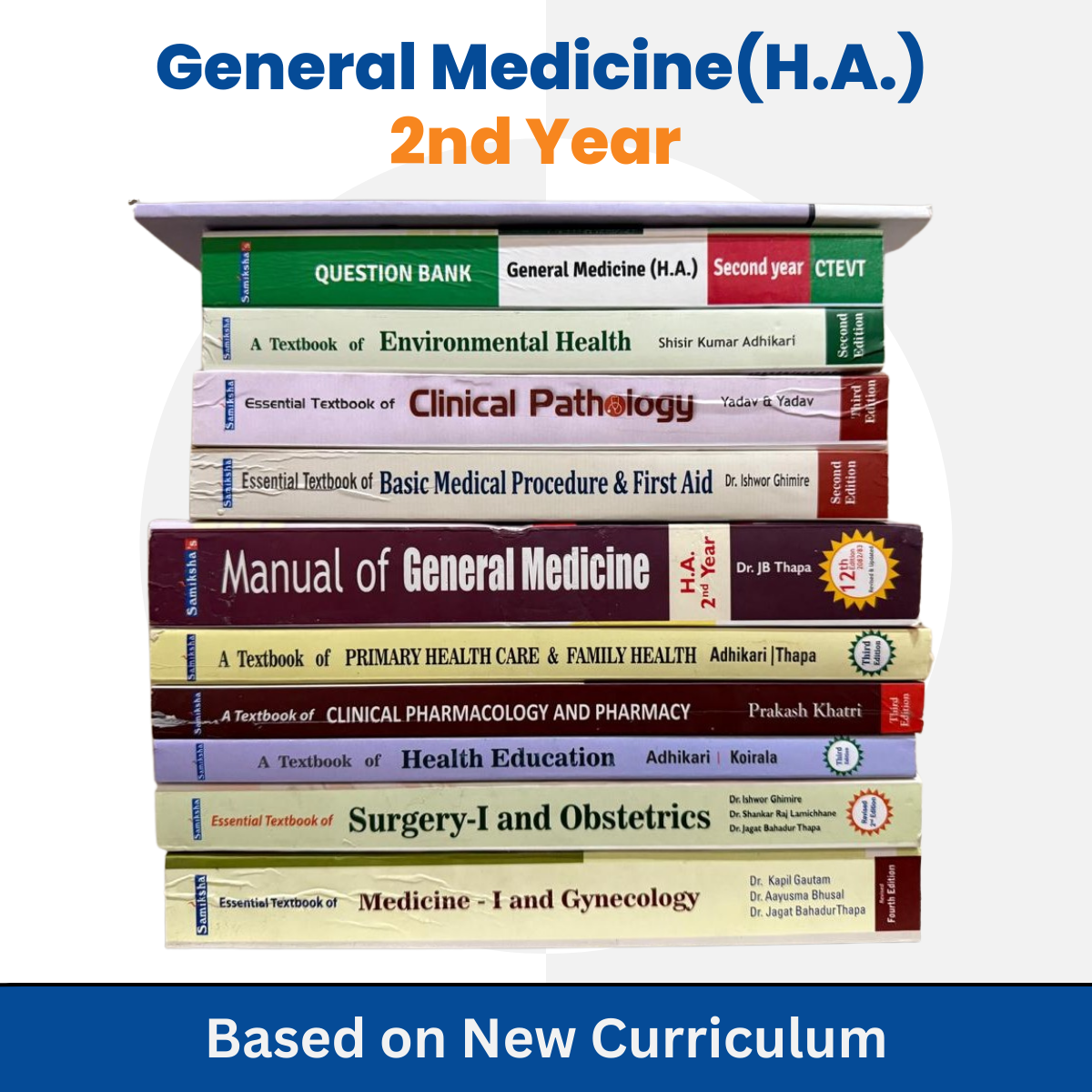
Nrs. 330 OFFStandardFlexible
General Medicine (H.A.)- 2nd Year( Complete Set)
Nrs. 6,375Nrs. 6,705

Nrs. 170 OFFStandard
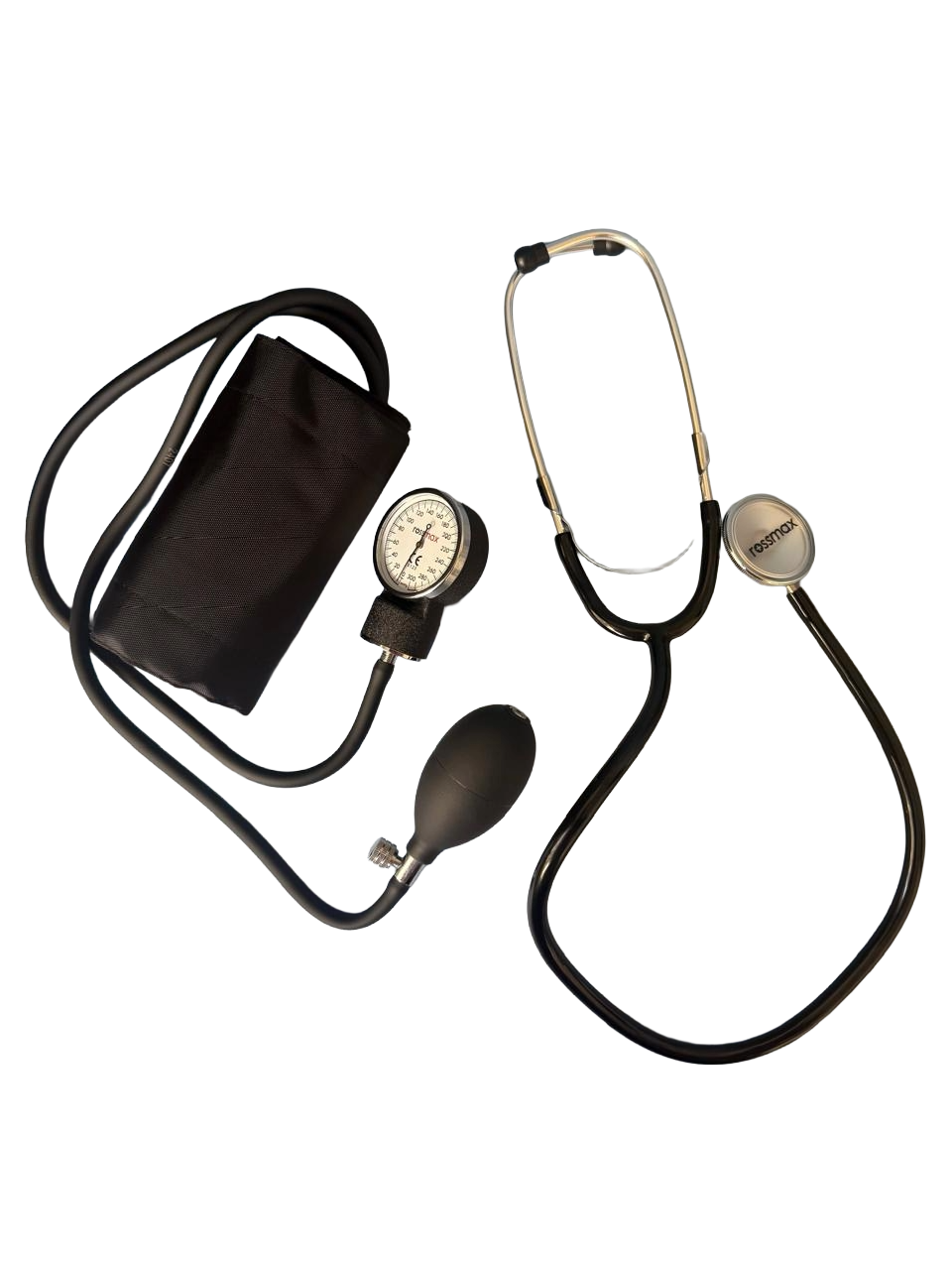
Nursing Equipment Set (Complete Set)
Nrs. 2,900Nrs. 3,070
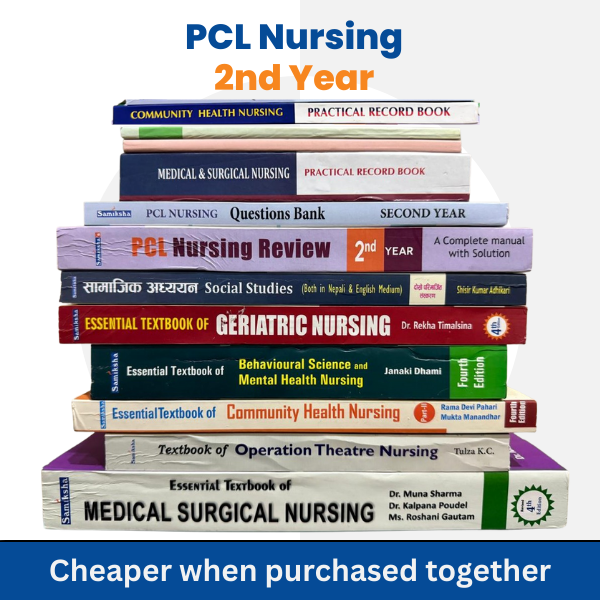
Nrs. 270 OFFStandardFlexible
PCL Nursing - 2nd Year (Complete Set)
Nrs. 5,260Nrs. 5,530
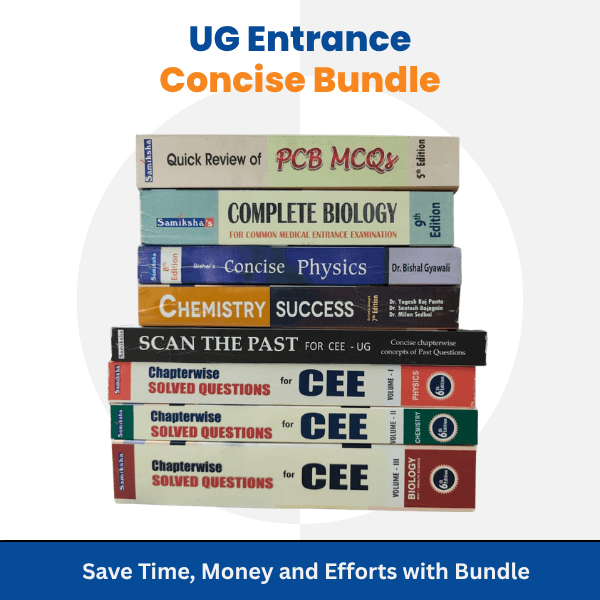
Nrs. 360 OFFStandardFlexible
UG Entrance Concise Bundle (MBBS, Nursing & Paramedical Entrance)
Nrs. 7,210Nrs. 7,570
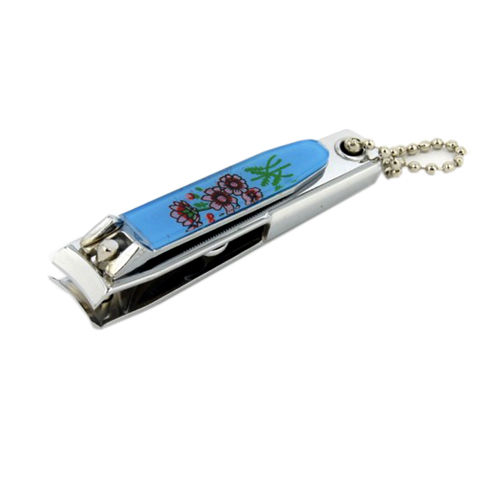
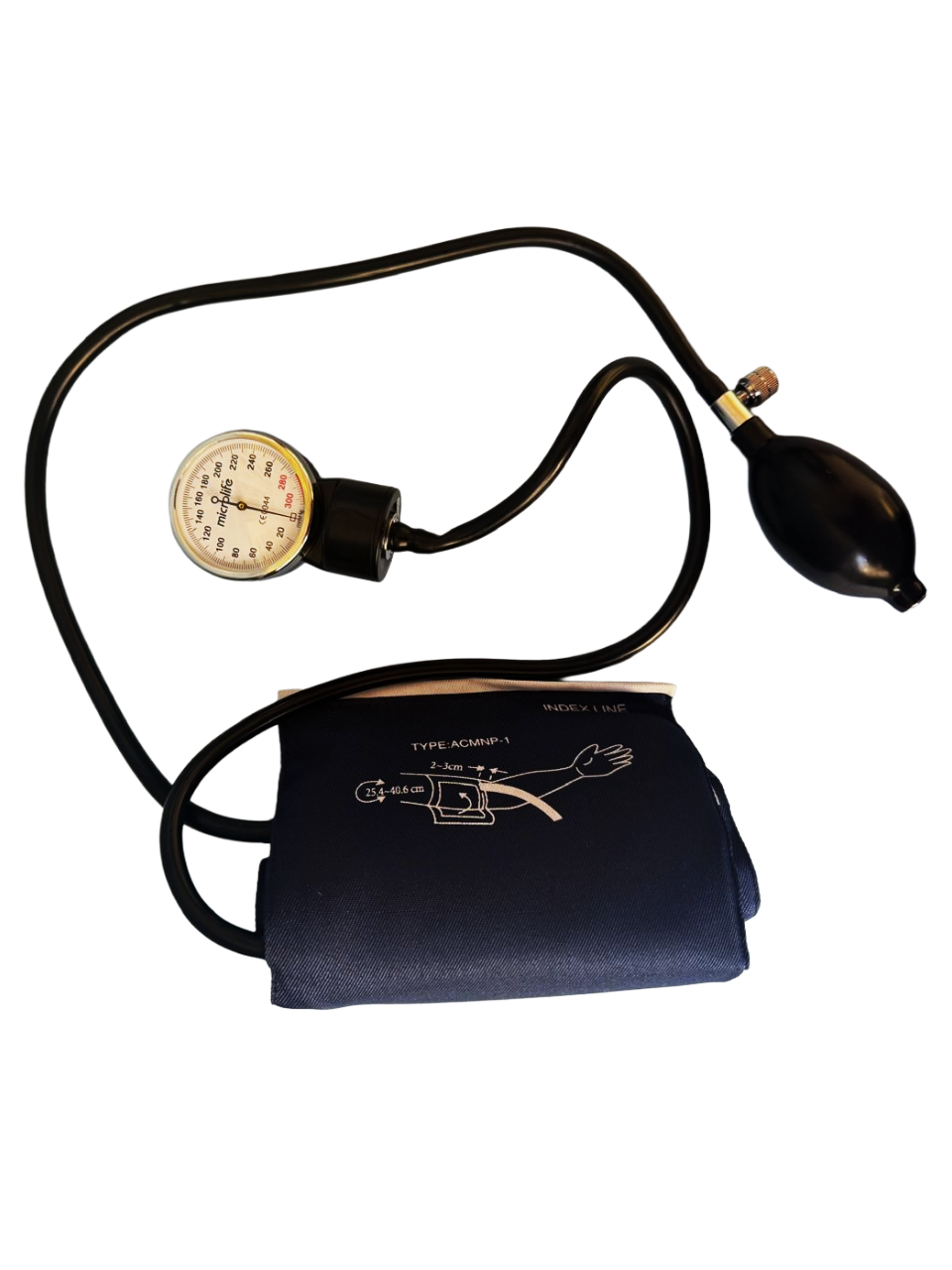
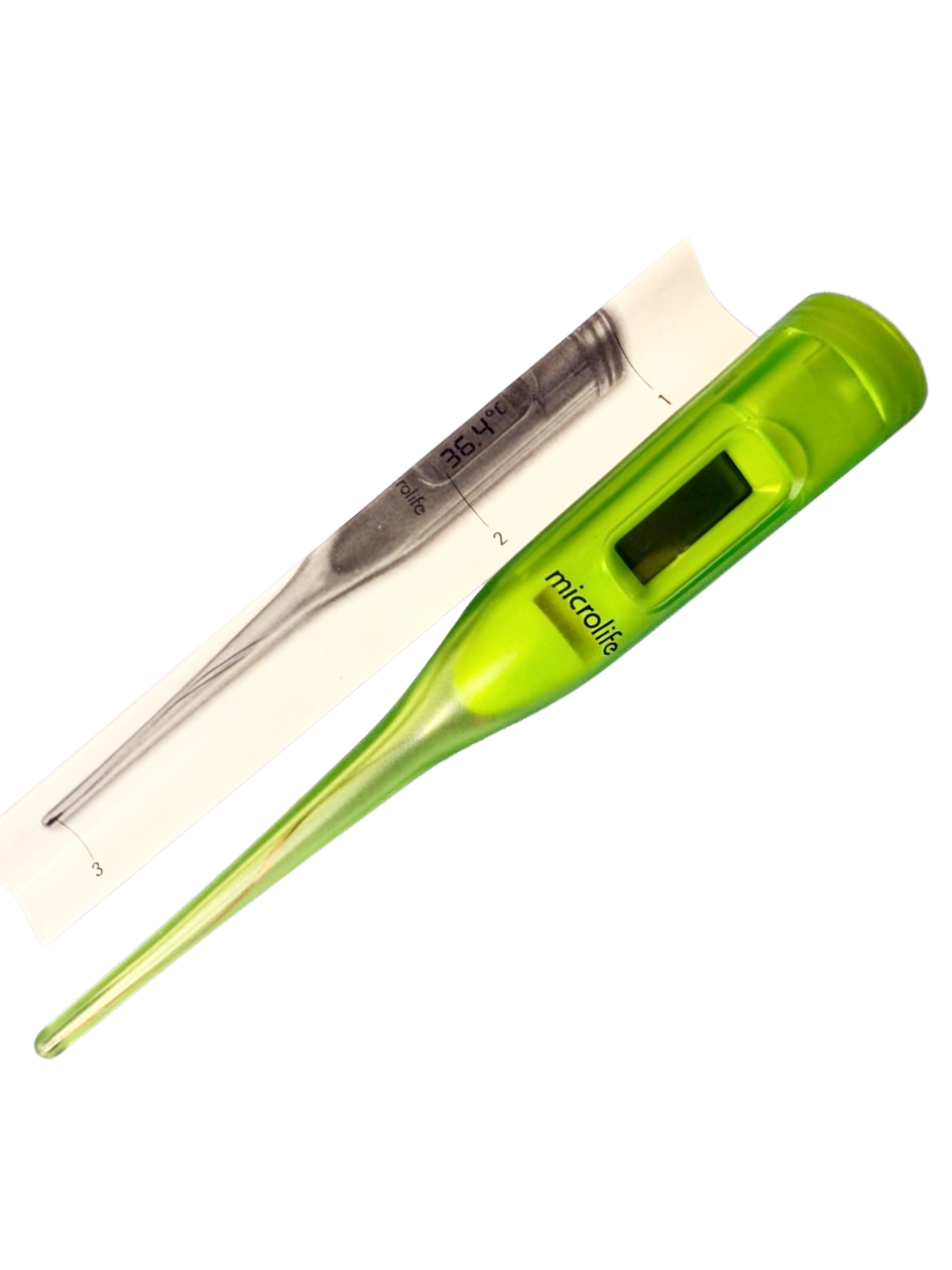
Nrs. 30 OFF
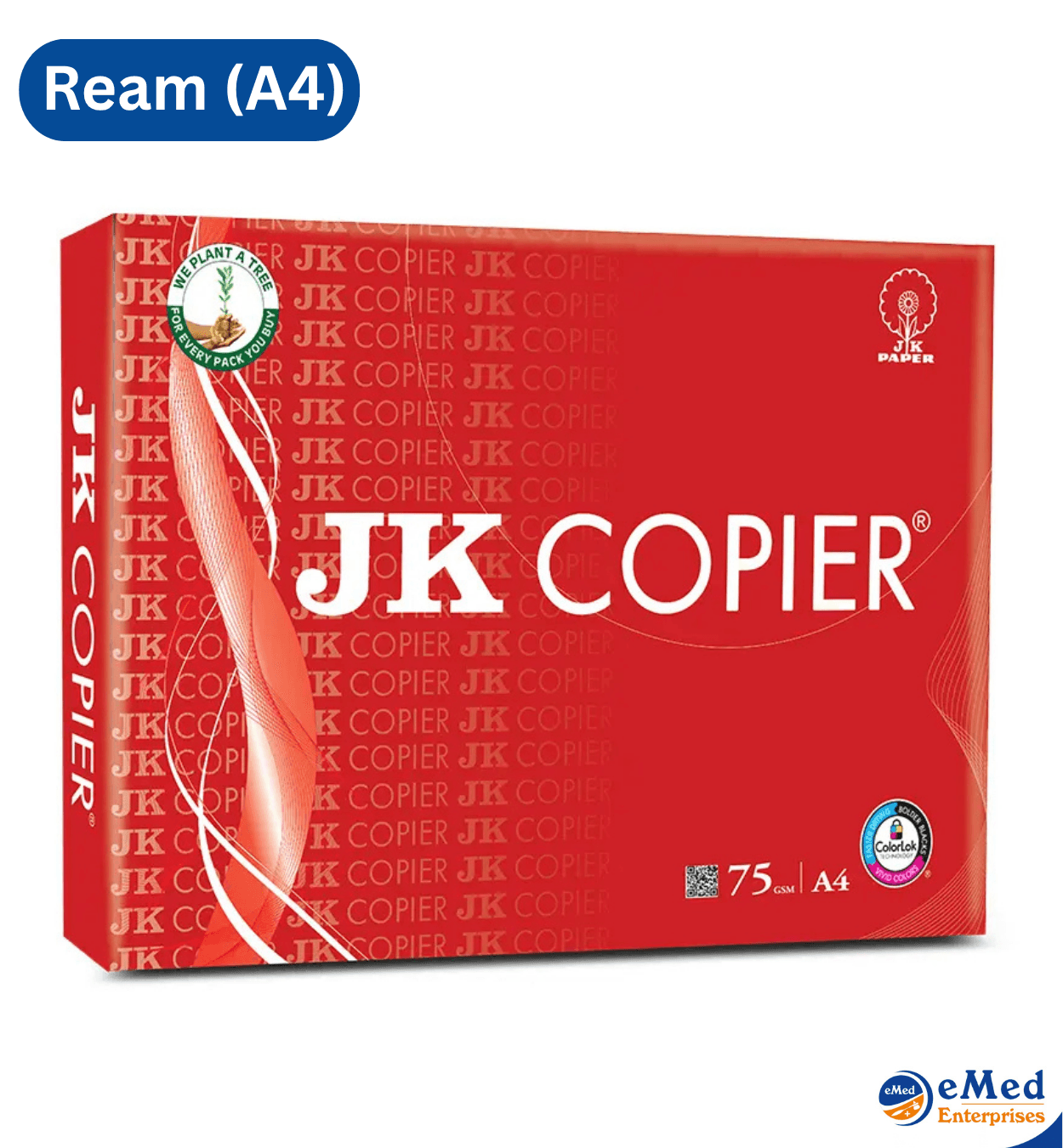
JK Copier Paper - A4, 75 GSM, 1 Ream, 500 Sheets
Nrs. 600Nrs. 630
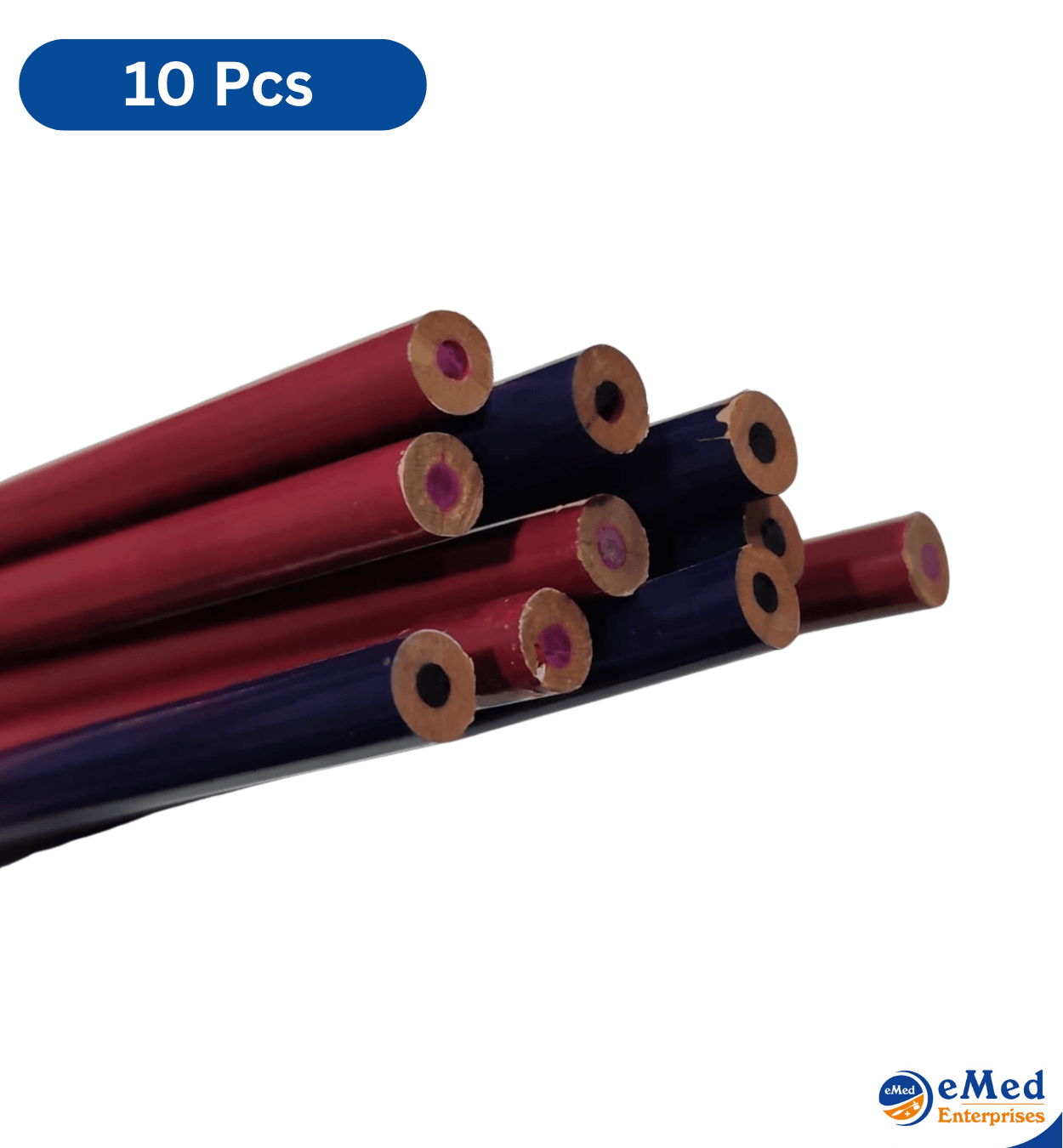
H & E Pencils for Medical Students – 5 Violet + 5 Pink (Pack of 10)
Nrs. 150
Nrs. 60 OFF
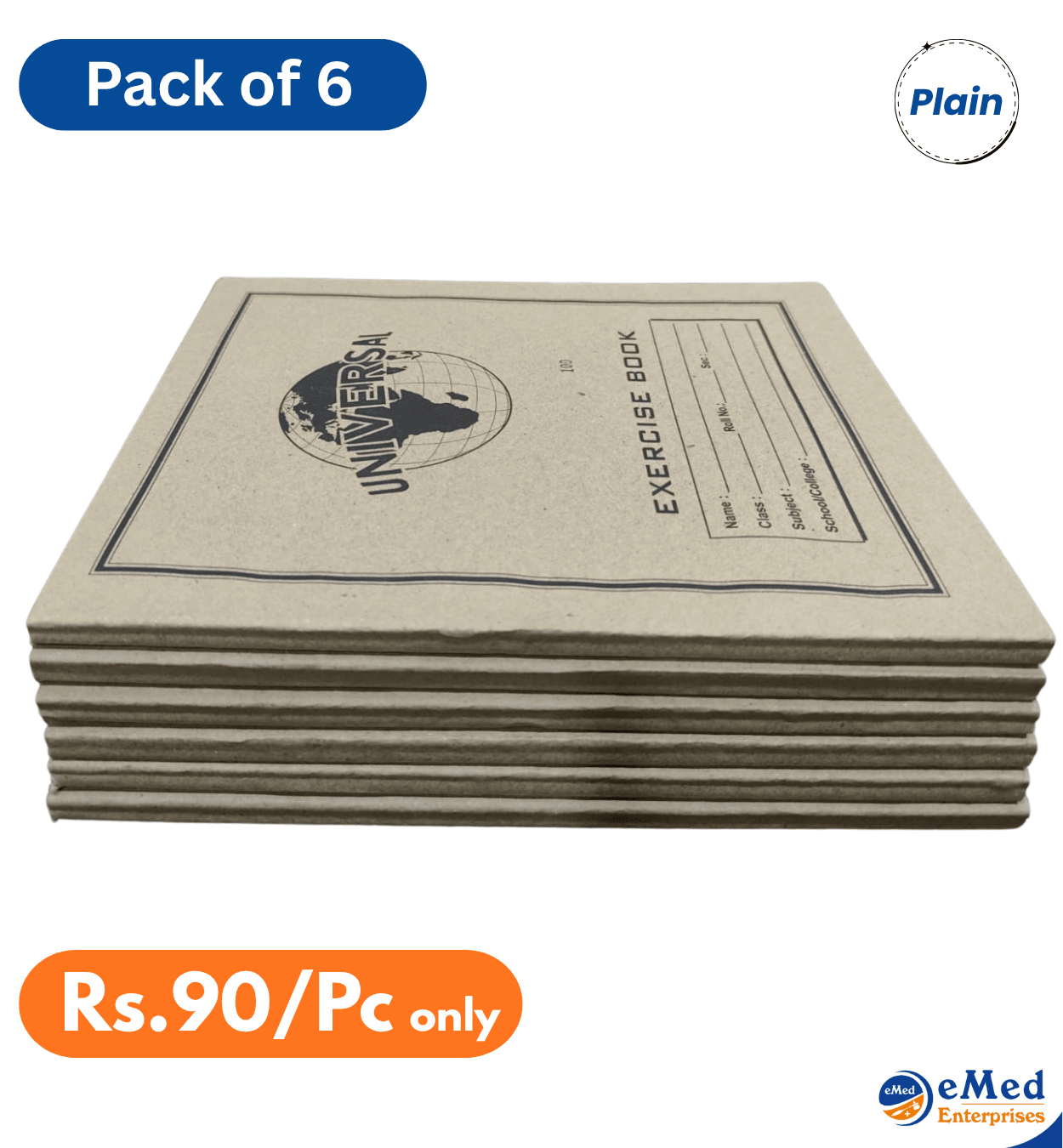
Universal Exercise Book Plain (MRP 100/copy), Pack of 6
Nrs. 540Nrs. 600
Nrs. 30 OFF
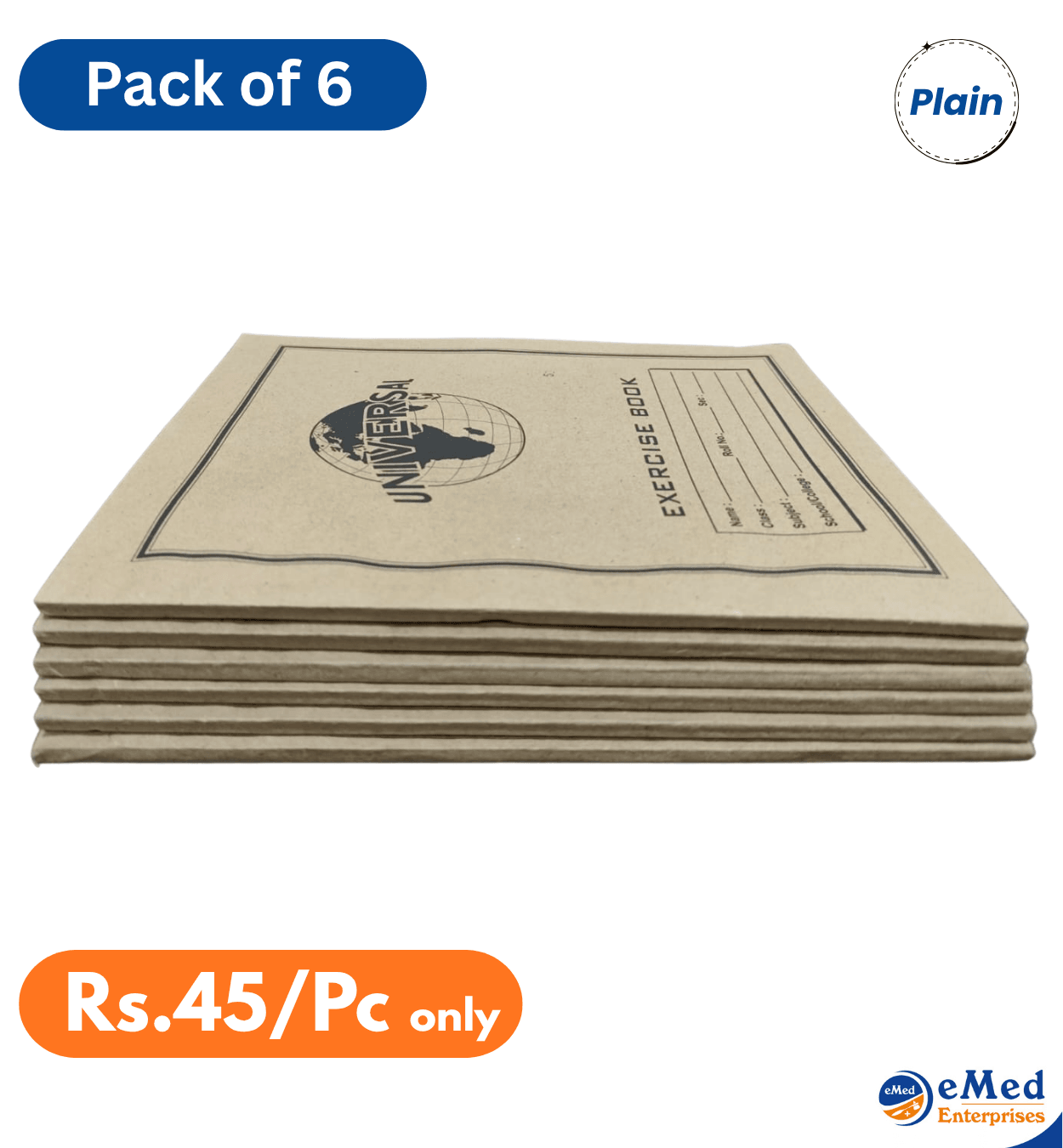
Universal Exercise Book Plain (MRP 50/copy), Pack of 6
Nrs. 270Nrs. 300
Nrs. 60 OFF
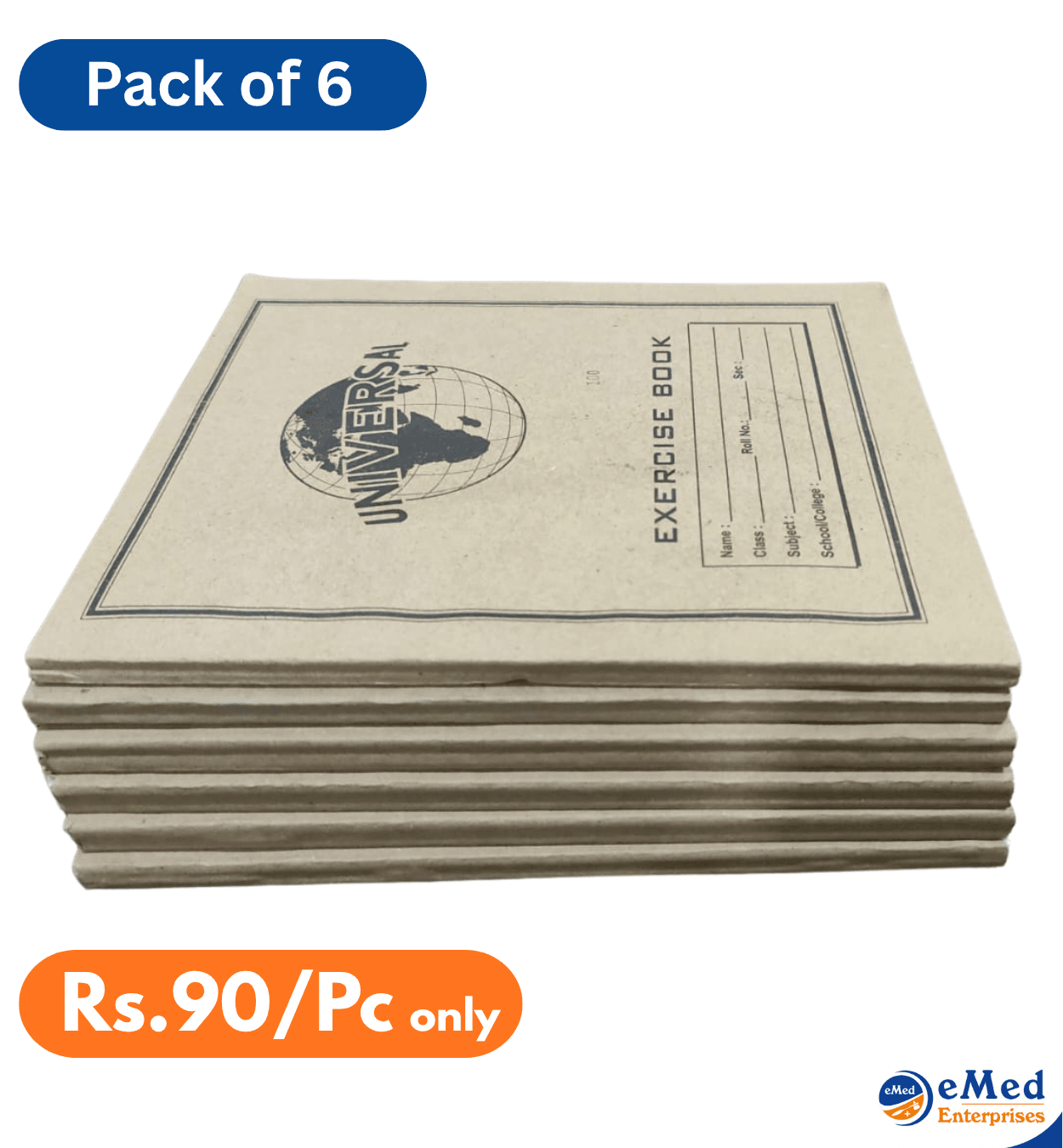
Universal Exercise Book Lined (MRP 100/copy), Pack of 6
Nrs. 540Nrs. 600




Jagrit Lamichhane22 May, 2026
Kathmandu Metro Scholarship Preparation Tips by Rank Holder
Dear juniors, congratulations on successfully completing your SEE examinations! You have already shown courage and dedication just by reaching this stage. Now, a new and very important opportunity stands in front of you - the Kathmandu Metropolitan City Scholarship Entrance Exam and other Metro Scholarship exams. This is your chance to secure your higher education without burdening your family financially. Do not take this opportunity lightly. Prepare with full sincerity, because thousands of students appear for this exam every year but only the most focused and well-prepared ones make it through. This is your moment.
The Metro Scholarship is not just free education. It is a recognition that you are among the brightest and most smart working students of your community. Winning this scholarship means your Grade 11 and 12 will be fully supported, giving you the freedom to focus entirely on your studies and future goals without financial stress on your family. So, treat this entrance exam with the same seriousness and dedication you gave to your SEE boards. Every mark matters. Every minute of preparation counts.
Preparation is everything. Here are some practical tips to help you to perform your very best:
Know the syllabus first: Before you open any book, understand exactly what topics are covered in the Metro entrance exam. Don't waste precious time studying things that won't appear.
Practice past questions: Old question papers are your best friend. They show you the pattern, the difficulty level, and the most repeated topics year after year.
Set a daily target. Don't try to finish everything in one day. Study chapter by chapter, topic by topic, with full understanding and patience.
Master your weak topics before your strong ones: Most students keep practicing what they already know because it feels comfortable. Do the opposite. Find your weakest chapters early, face them honestly, and turn them into your strengths. That is where your extra marks are hiding.
Time yourself when you practice: Knowing the answer is only half the battle. In the exam hall, speed matters as much as accuracy. Practice solving questions under timed conditions regularly so that exam day pressure feels familiar, not frightening.
Revision is not optional, it is everything. Studying something once is never enough. Build a simple revision cycle whatever you study this week. Without revision, even your strongest topics will quietly fade before exam day.
Sleep well before the exam. A rested mind thinks clearer and performs stronger. The night before is not for studying, it is for trusting your preparation. All-nighters do more harm than good.
There will be days when the syllabus feels too big, the time feels too short, and your confidence feels too low. On those days, remember every student sitting that exam feels the same fear. What separates scholarship winners from the rest is not talent alone. It is patience, daily effort, and the firm decision to keep going even when it gets hard. Believe in your preparation. Trust your smart work.
As a student who once stood exactly where you are now - nervous, hopeful, and unsure of what comes next, I understand what this moment truly feels like. That is why Metro Entrance Secrets was born. Not as just another book, but as a guide written from experience, the same syllabus struggles, and the same dream of securing a scholarship and making family proud. This book covers all the important topics, exam patterns, practice sets, and smart strategies that will give you a real edge because every part of it was built keeping students like you in mind. Follow it sincerely, practice every exercise inside it, and you will walk into that exam hall fully prepared and fully confident.
Best of luck, juniors. May your smart work speak louder than your fear, and may your name shine on that merit list.
For ordering physical book, Visit Here
For eBooks and Digital Station Visit Here
About the Author
Jagrit Lamichhane is the All Nepal Rank 33 holder in the Kathmandu Metropolitan Scholarship 2081 examination and a +2 Science student at St. Xavier’s College, Maitighar. He is the author of Metro Entrance Secrets, a student-focused guide designed to help SEE graduates prepare effectively for Metro scholarship entrance exams.
#After SEE#+2 Scholarship Nepal
Read More

Charlie Prince Shah30 April, 2026
+2 in Top Colleges of Kathmandu for Free: Kathmandu Metropolitan Scholarship (Balen Scholarship) -2026
The Kathmandu Metropolitan City Scholarship, popularly known as the “Balen Scholarship,” has opened a merit-based pathway for students to study +2 in top colleges of Kathmandu Valley without paying institutional fees. With more than 17,000 applicants competing for a limited number of seats, understanding how it works- its structure, seat distribution, and level of competition is important for every SEE graduate.
At this stage, every student finds themselves at a turning point:
- Either follow the crowd without a clear plan
- Or make thoughtful decisions for a better future
This is where the Kathmandu Metropolitan Scholarship can make a real difference, offering a fair opportunity based on merit and preparation.
City of Dreams: Kathmandu
For many students growing up in villages far from Kathmandu, quality education has often felt out of reach, something reserved for those living in cities, not for those whose dreams are shaped by distance and financial limitations.
Today, that perception is slowly changing. For the first time, students from financially weaker backgrounds can look beyond their surroundings and realistically imagine themselves studying in a classroom in Kathmandu.
A System Built on Merit, Not Influence
After Balen Shah assumed office as Mayor of Kathmandu Metropolitan City, stricter implementation of scholarship provisions in private colleges was enforced. Colleges were required to allocate a certain number of seats under scholarship quotas.
To ensure fairness and reduce favoritism or nepotism, the metropolitan office introduced a centralized entrance examination system. This created a more transparent and merit-based selection process, where opportunities are determined by performance rather than personal connections.
Study +2 at Rs. 0: What It Actually Means
The scholarship is a full academic scholarship.
According to the official structure: Tuition, lab, library, administration, registration, sports and annual fees are fully covered.
Students only pay for external services such as transport, NEB form fee, exam fee, hostel, canteen and personal expenses.
This system saves approximately Rs. 5–6 lakhs, which is the usual average cost of +2 education in top private colleges .
Seat Distribution and College-Level Competition
The scholarship follows a structured quota system to ensure both merit and inclusion:
40% – Government school students
40% – Inclusive/reserved categories
14% – Kathmandu Metropolitan permanent residents
5% – Private school students (those who completed SEE on scholarship in private schools)
1% – Landfill affected areas
Faculty Wise Seat Distribution:- Metro provides scholarship in five different streams.
i. Science - 1,775 + seats (104 Colleges)
ii. Management -2,500 + seats (170 Colleges)
iii. Law - 136+ seats (47 Colleges)
iv. Education - 70+ seats (18 Colleges)
v. Humanities -173+ seats (51 Colleges)
Within this limited structure, competition is especially high in leading colleges where seats are very limited:
St. Xavier’s College – 55 seats
Kathmandu Model College (KMC) – 177 seats
Trinity College – 170 seats
Global College – 159 seats
CCRC – 120 seats
Uniglobe College – 96 seats
These limited seats attract thousands of applicants each year, making selection highly competitive, particularly for top-ranked colleges.
Competition Reality
2080: 6,000 applicants
2081: 12,000 applicants
2082: 17,229 applicants
This is a 187% increase in just two years
Science applicants: 12,366
Science seats: ~1,800
Selection Rate ≈ 14.5%
Meaning: Only 1 out of every 7 students gets selected
Selection is rank & college priority setting based, and top colleges generally require 90+ marks.
Eligibility and Entrance Examination
The scholarship is open to fresh SEE graduates who have passed all subjects (no NG). GPA does not restrict eligibility, and students from all over Nepal can apply. The entrance examination is conducted after the SEE results are published.
The selection is based on a 100-mark objective examination:
- 100 MCQs (1 mark each)
- Duration: 2 hours
- Pass Marks : 40
- No negative marking
- The syllabus is strictly based on the Class 10 curriculum.
- Asks questions in both English & Nepali
- Subjectwise Marks Distribution:
Mathematics – 30
Science – 30
English – 30
General Knowledge – 10
Priority Setting and Form Submission
College allocation depends on both rank and college priority order, making priority setting one of the most important stages of the process. Even a strong score may not secure a preferred college if choices are placed incorrectly. Form submission is equally important, as thousands of applications are rejected each year. Careful priority selection and accurate form filling are the first step to achieve the scholarship.
Future Expansion of the Scholarship
After SEE, a large number of students from across Nepal move toward Kathmandu Valley for +2 education. The presence of reputed colleges in Kathmandu, Lalitpur, and Bhaktapur has made the valley the central academic hub.
The current system under Balen Shah’s leadership shows strong commitment toward educational reform. There is a high possibility that similar scholarship systems may expand to Lalitpur, Bhaktapur, and other regions. If implemented widely, the number of available seats will increase significantly and thus increases huge opportunities.
Resources
The Kathmandu Metropolitan Scholarship has made it possible to study in Kathmandu’s leading colleges without financial burden. The competition is intense, but the opportunity remains the same for all one paper, 100 questions, and a merit-based system that rewards preparation, not background.
This examination is competitive, but it is not beyond reach. With the right strategy, clear concepts, and disciplined practice, it can be approached with confidence and cracked with precision.
After SEE Metro Mania is built for this purpose. Designed exclusively for Kathmandu Metropolitan Scholarship preparation, it offers focused and sufficient preparation through:
100% syllabus-based content, Chapterwise theory notes(Heart of The Book) and solved worked out examples, Past year question analysis with trend-based preparation, 2500+ exam-focused MCQs, Real exam standard mock tests, OMR practice, shortcuts, and calculation tricks, Available in both English and Nepali, Free digital access with additional resources.
Conclusion
For many students, this is more than a scholarship. It is a chance to step beyond limits, ease the burden at home, and reach opportunities once thought too far away. The competition is real, but so is the possibility. With the right preparation, a seat in Kathmandu’s top colleges is no longer only for those who can afford it, but for those who earn it.
#After SEE#+2 Scholarship Nepal
Read More
Roshna Bhuju31 December, 2025
Why do most people over 40 require glasses for near vision?
After 40, eyes naturally lose the ability to focus sharply on nearby objects, a condition called presbyopia. Presbyopia refers as the gradual decline of eye ability to accommodate for near vision as a part of the natural aging process. The eye's natural crystalline lens, which focuses light on the retina, loses flexibility with age. This stiffening blurs nearby objects like books or phone screens. Presbyopia often begins around age 40, gradually worsens until about 65, then levels off. Historically, presbyopia has been recognized for centuries, with early mentions dating back to ancient Greece. Presbyopia" derives from Greek "presbys" (old man) and "ops" (eye). Though unavoidable, symptoms ease with options like glasses, contacts, or surgery to sharpen close vision.
Signs and symptoms are:
- Difficulty focusing on close object
- Eye strain Headache
- Blurry vision
- Difficulty reading small print
- Needing to hold reading material father away
- Double vision
- Fatigue
Types of presbyopia
There are five types of presbyopia:
- Incipient presbyopia. It's the first sign when fine text starts feeling tricky or fuzzy .
- Functional presbyopia. This happens when near vision problems become more obvious.
- Absolute presbyopia. With this stage, close-up objects are completely out of focus for the eyes (due to farsightedness).
- Premature presbyopia. This describes premature presbyopia, when the condition hits before age 40.
- Nocturnal presbyopia. This stage makes focusing on nearby objects especially tough in dim light.
Presbyopia treatment
Glasses
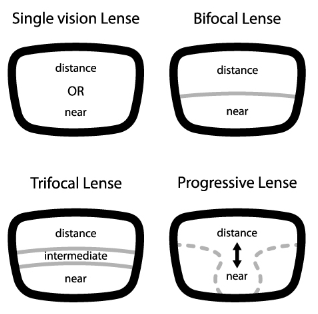
- Presbyopia can be corrected by wearing bifocal, trifocal, multifocal or progressive glass for near work out.
- Bifocals are those lenses that consist of near and distance power.
- Trifocals are those lenses that consist of near intermediate and distance vision power.
- Progressive lenses gradually change their magnification from top to bottom. Also known as multifocal lenses.
Contact lenses

- For those who already wearing contact lenses, are often add reading glasses on top to handle presbyopia.
- Contact lens options are Monovision, Modified monovision, Bifocal or Multifocal and Non-refractive bifocal contact lens.
- Monovision contact lens to correct one for near and one eye for far with a method.
- Modified monovision contact lens is to correct for either near or far vision in one eye and other eye has a multifocal lens.
- Multifocal contact lens to correct vision for both near and far from one lens.
Surgery
Various surgical options now address presbyopia. Some rely on monovision, tuning one eye for near vision and the other for clear distance sight.
1. Kamra® corneal inlay
- The Kamra® corneal inlay was approved by the US FDA in 2015.
- It's a thin, dark implant with a tiny center hole. Surgeons slip it into the cornea over the pupil for a pinhole boost—like peeking through paper—that fixes near sight but keeps far vision clear. The inlay typically is implanted in the non-dominant eye.
2. Laser eye surgery
- Monovision LASIK (Laser-Assisted In situ Keratomileusis) and PRK (Photo- Refractive Keratectomy) reshape the cornea by removing a bit of tissue to cut reading glasses need. They target just one eye.
3. Monovision conductive keratoplasty (CK)
- CK applies mild radiofrequency energy to tighten corneal edge fibers, steepening the curve for better near focus. Like monovision laser surgery, it corrects one eye for close vision and leaves the other for distance.
4. Refractive lens exchange (RLE)
- RLE removes and replaces the eye's natural lens with an artificial one, much like cataract surgery, often using a multifocal type though options vary. It reduces reading glasses need with clear distance vision, especially helpful for age-related long sight turning into cataracts.
Dealing With Presbyopia: As Presbyopia is The Part Indication of Growing Older
- Get a pair of reading glasses.
- Optimize workspace with better light and ergonomic setup to cut down eyestrain.
- Take a break from close work like reading, excessive phone used.
- Maintaining a healthy lifestyle with balanced diet, regular exercise and adequate hydration supports overall eye health.
- Eye checkup if any discomfort or change in vision is noticed.
Conclusion
Presbyopia is a widespread age-related issue that impairs the eye's focus on close objects, usually starting after 40 as a normal aging effect. It makes it difficult to see near objectives like reading
or near work activities. It can't be reversed, but corrective lenses, contact lens or surgery manage it well.
Reference
1. Presbyopia | AOA
2. Presbyopia - Wikipedia
3. Presbyopia: How Aging Affects Your Vision
4. Singh P, Zeppieri M, Tripathy K. Presbyopia. 2025 Jun 2. In: StatPearls [Internet]. Treasure Island (FL): StatPearls Publishing; 2025 Jan–. PMID: 32809403.
5. Presbyopia: Understanding Symptoms and Treatment Options - The Kingsley Clinic
About the Author
Roshna Bhuju completed her Bachelor of Optometry from Pokhara University in 2025. She is passionate about raising awareness about various ocular health issues and its possible solution.
#Ophthalmology
Read More